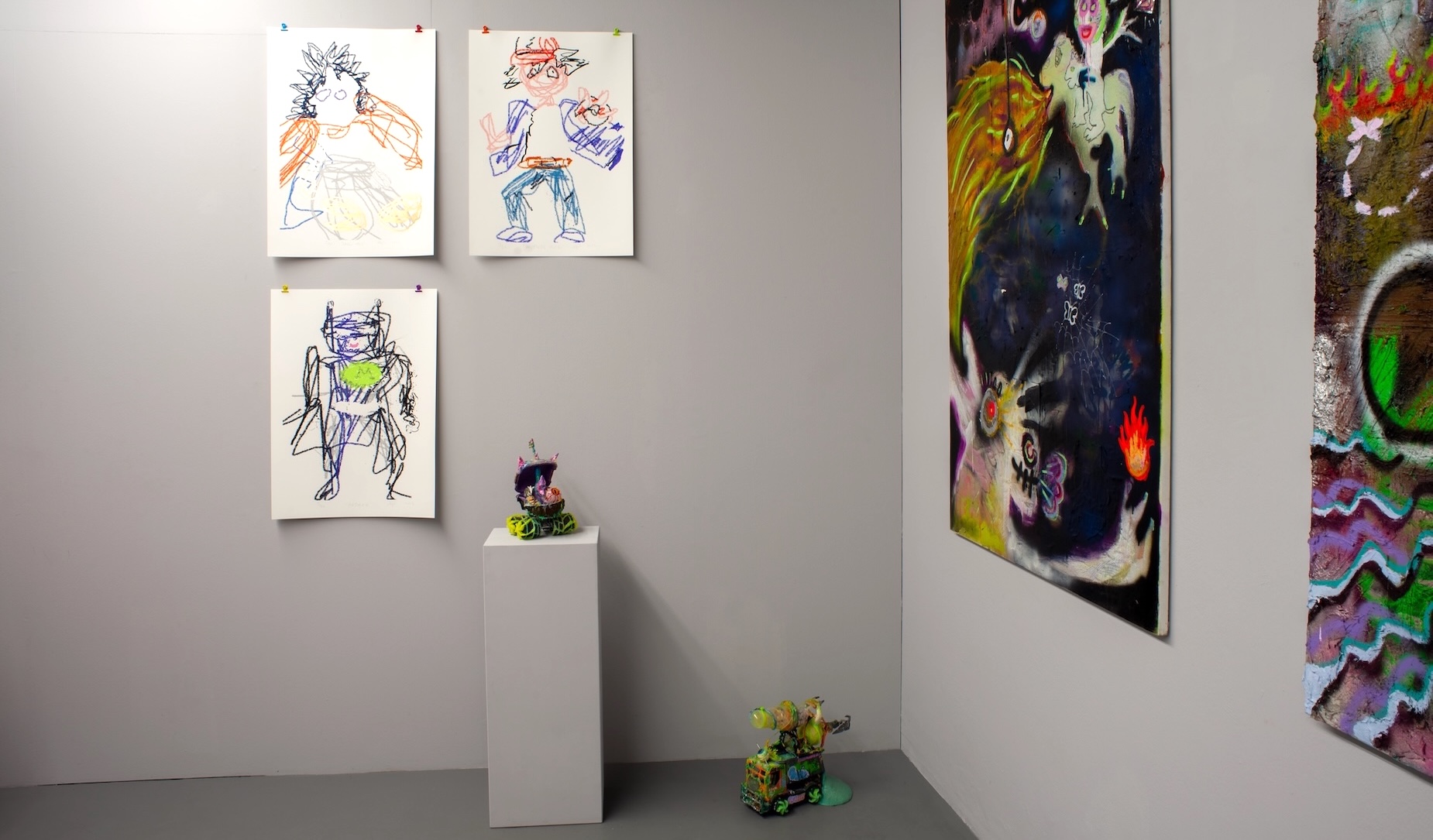
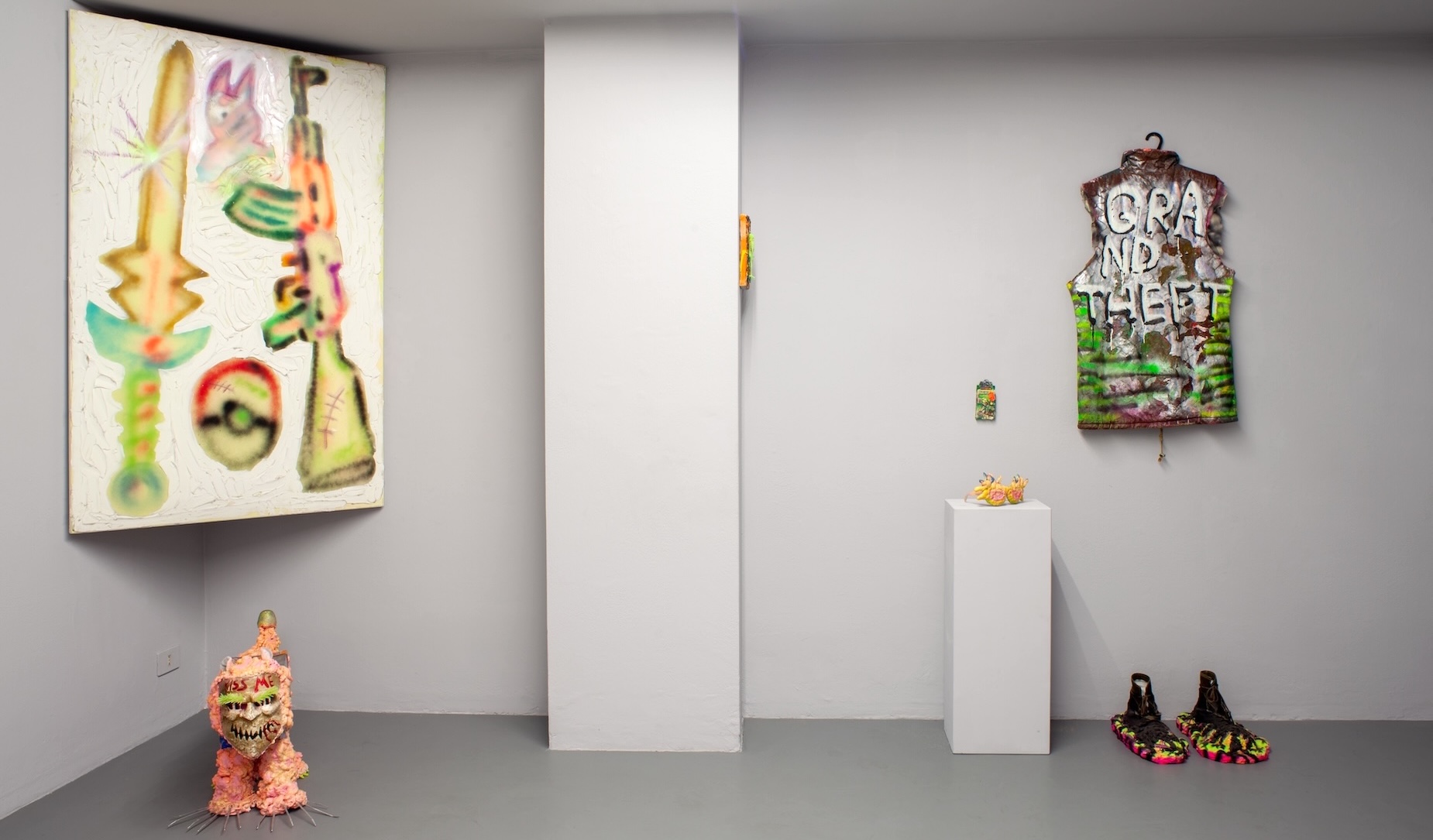
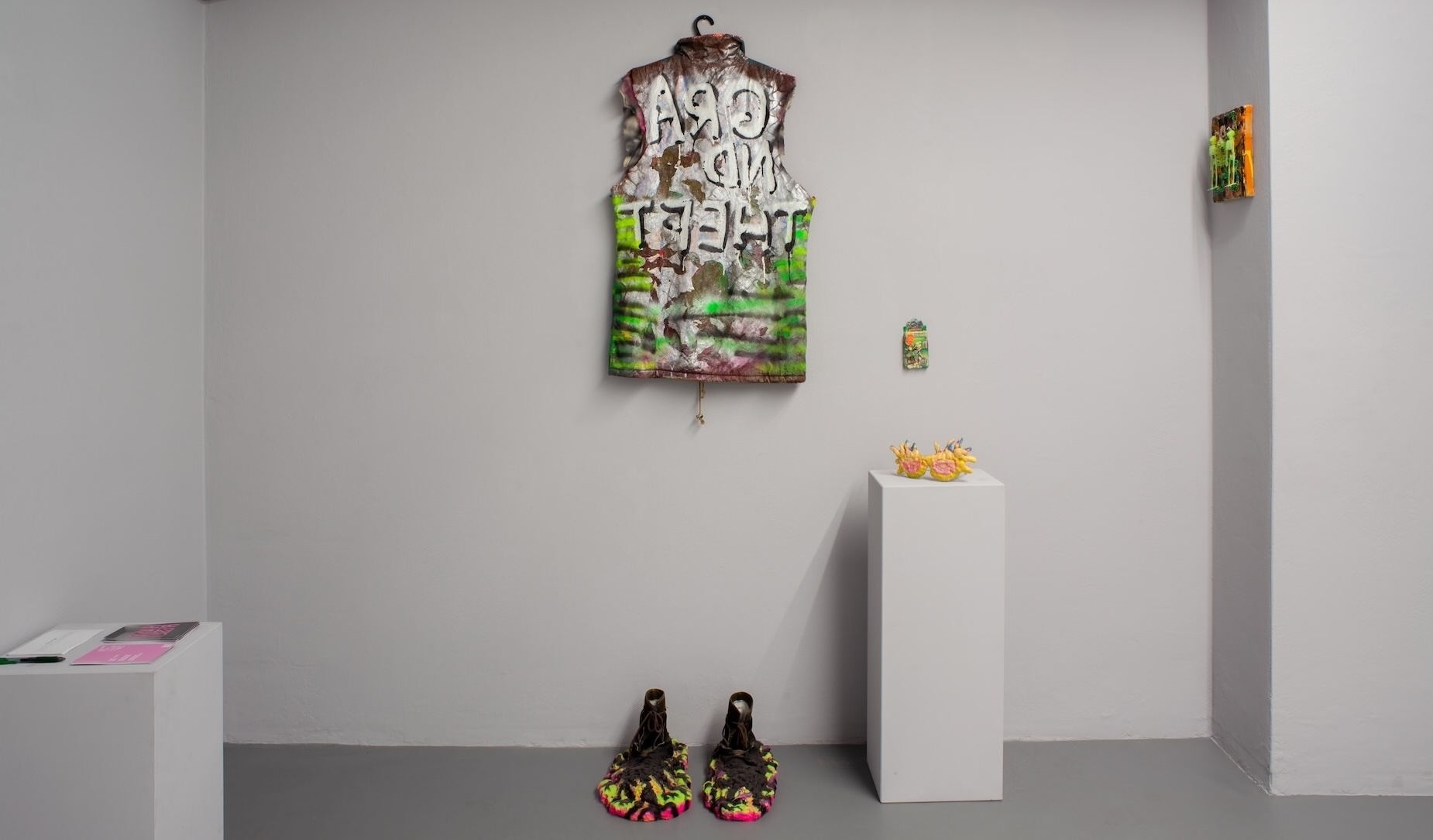
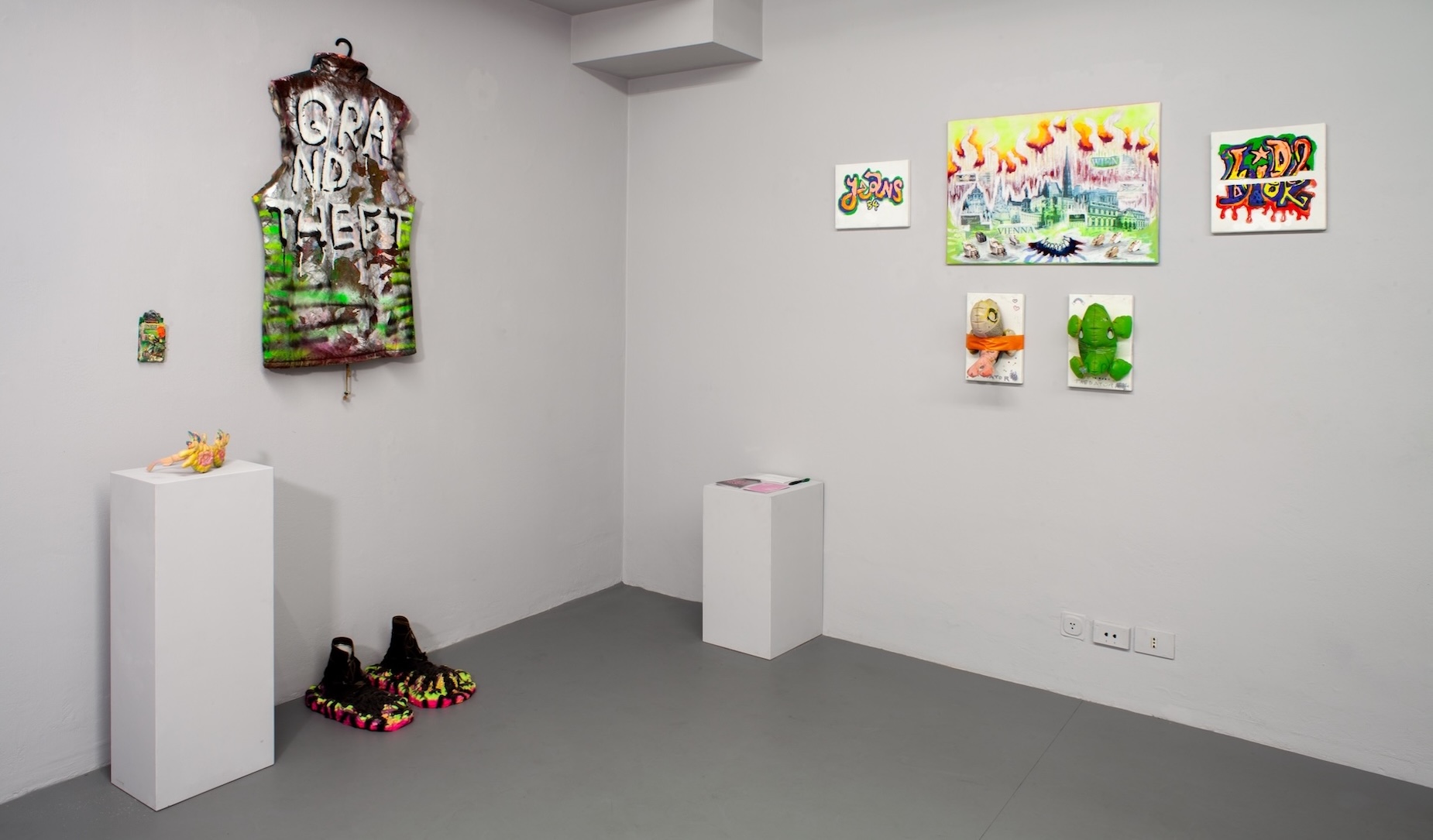
SMDOT/Contemporary Art è molto felice di annunciare “HARD RESET” la prima mostra personale italiana di Miha Majes, artista emergente sloveno.
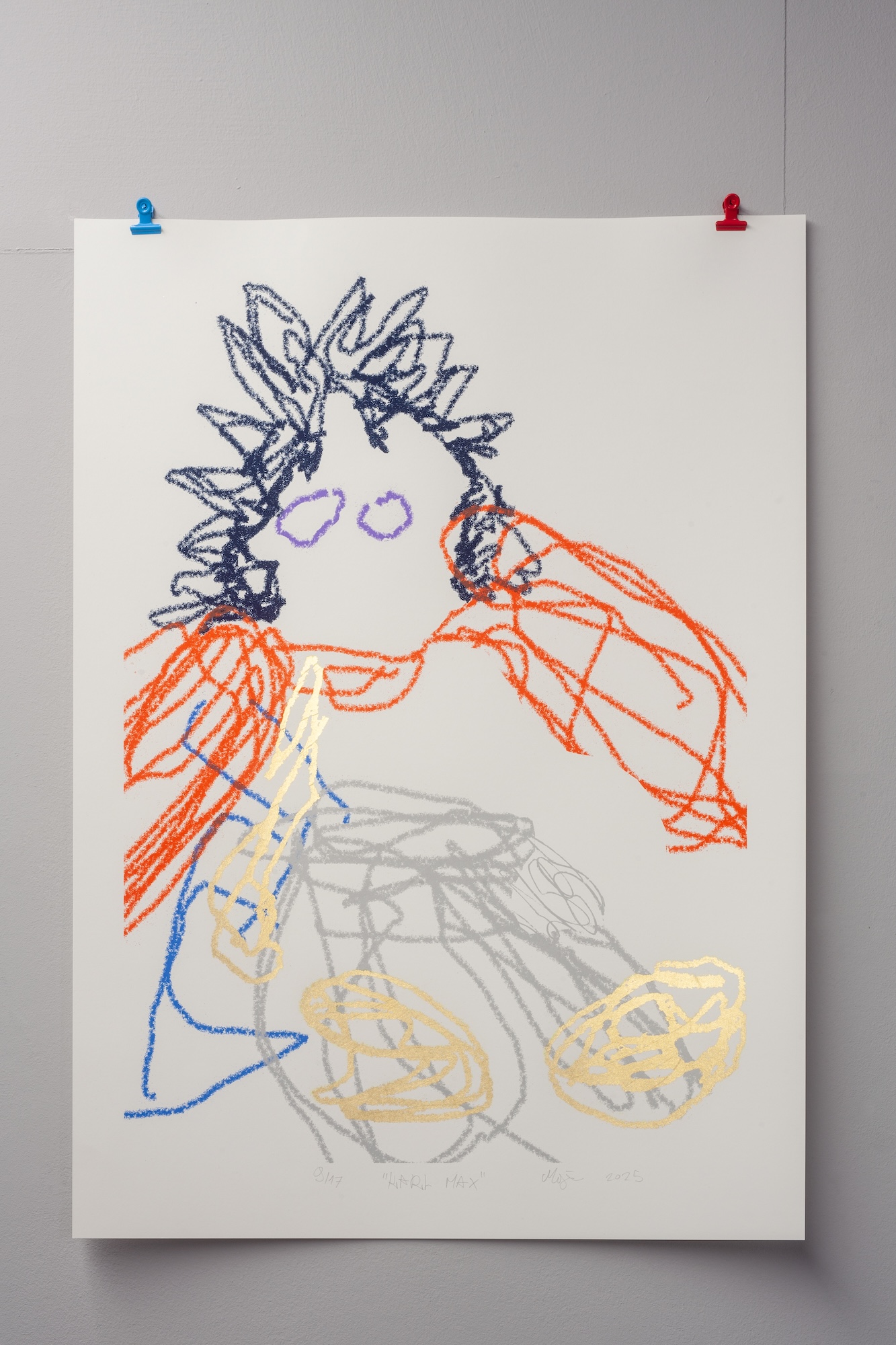
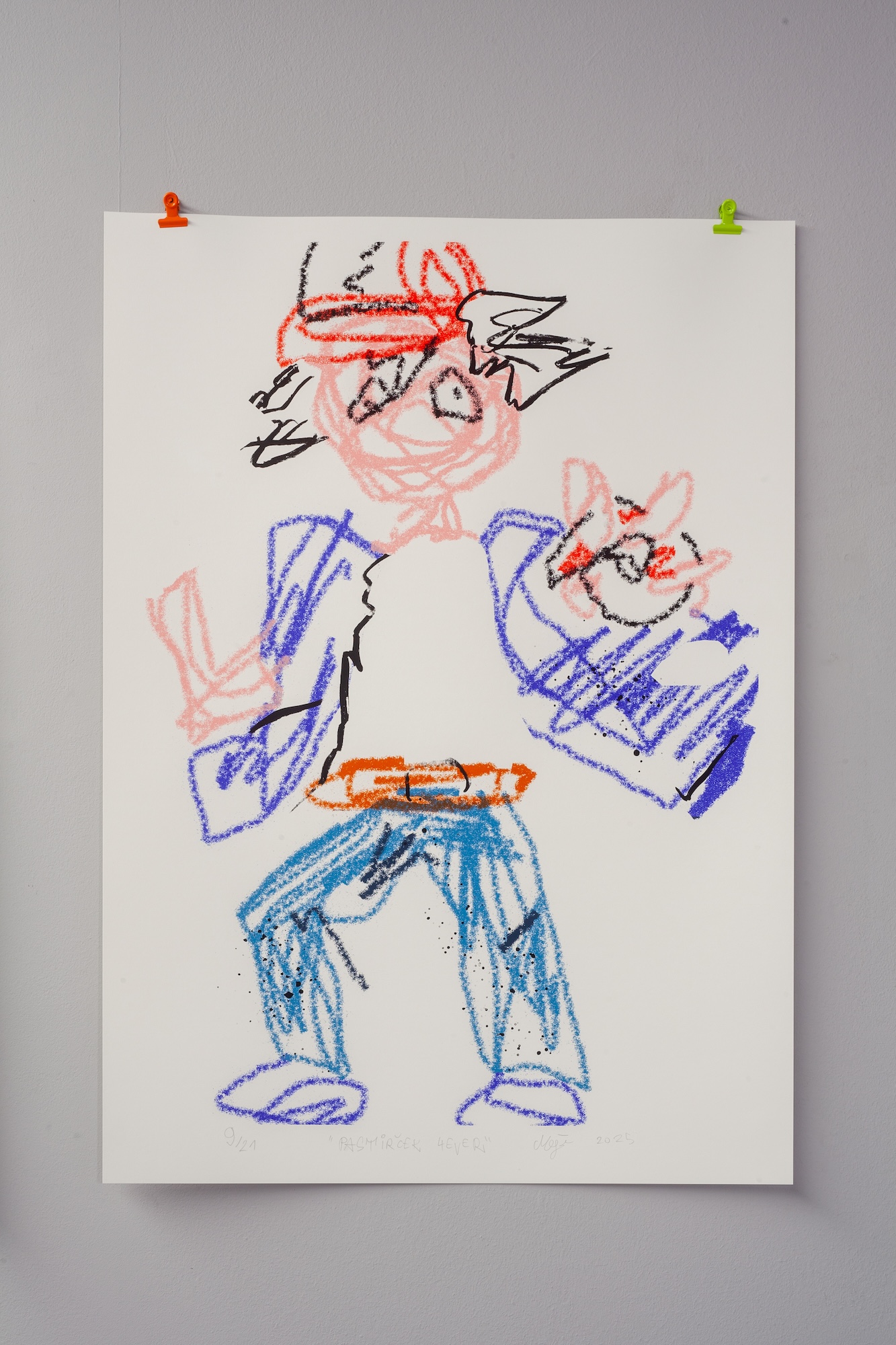
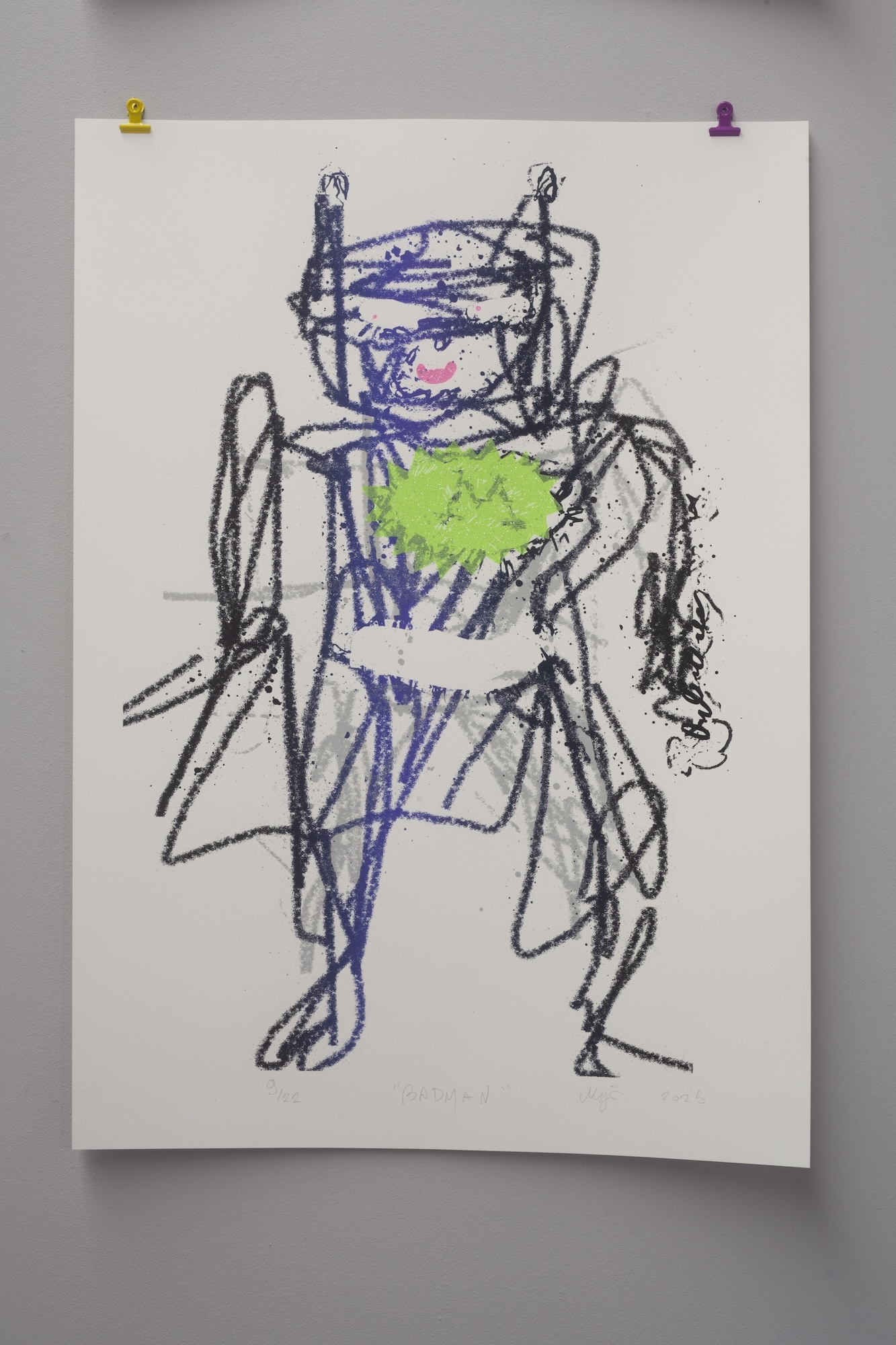
In tutti i lavori selezionati c’è un gesto che attraversa l’intera sua pratica: disinnescare l’immagine. Non distruggerla, non negarla, ma aprirla come si apre un dispositivo, mostrandone i cavi scoperti, i corti circuiti possibili, lo spazio dove l’occhio può smettere di consumare e tornare a desiderare. Da qui, ogni opera si dispone come una stazione di RE-DESIRE: un invito a riprogrammare la nostra relazione con le forme, con gli oggetti, con i resti di un mondo che ci chiede di volere sempre nello stesso modo.
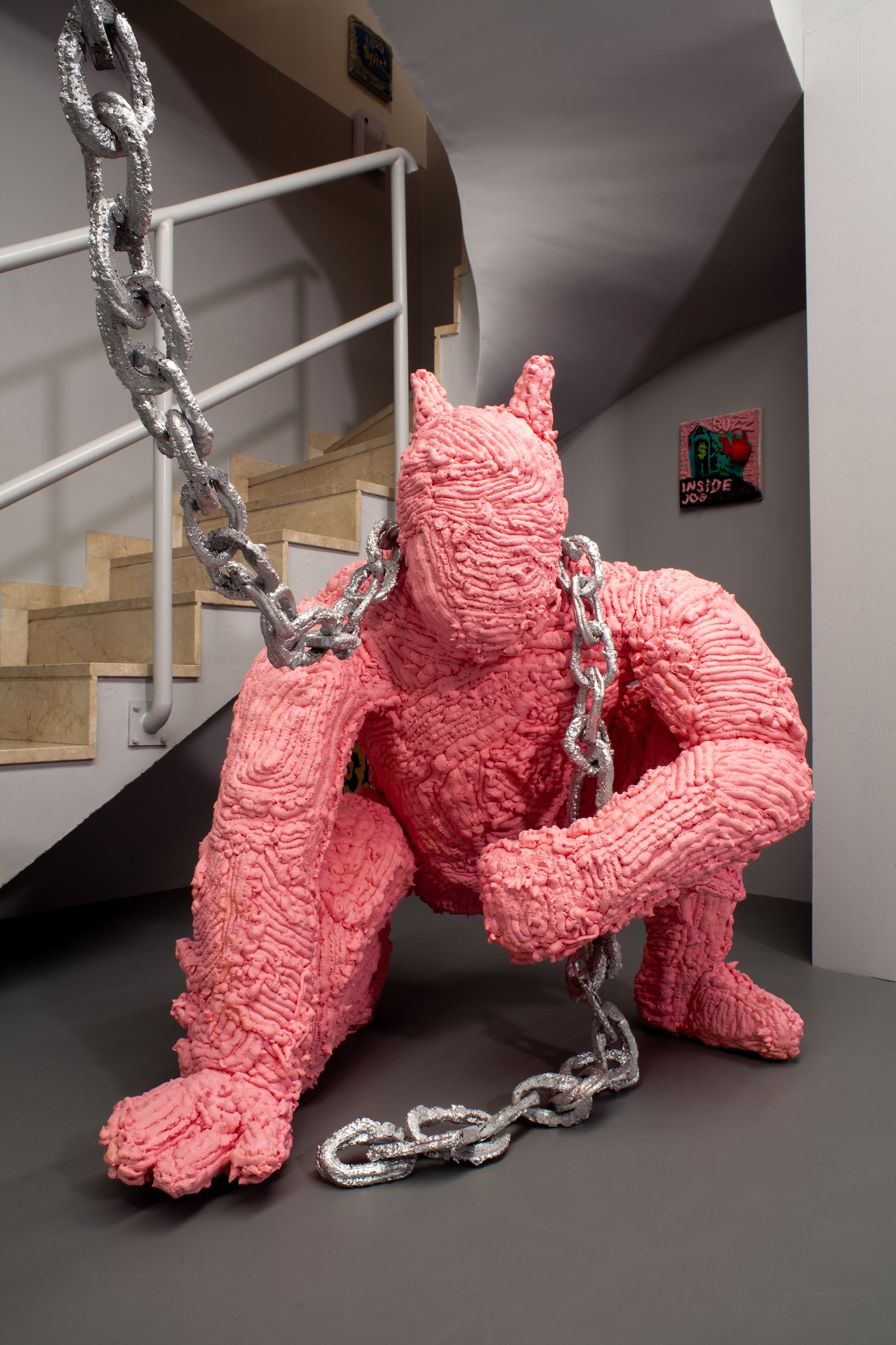
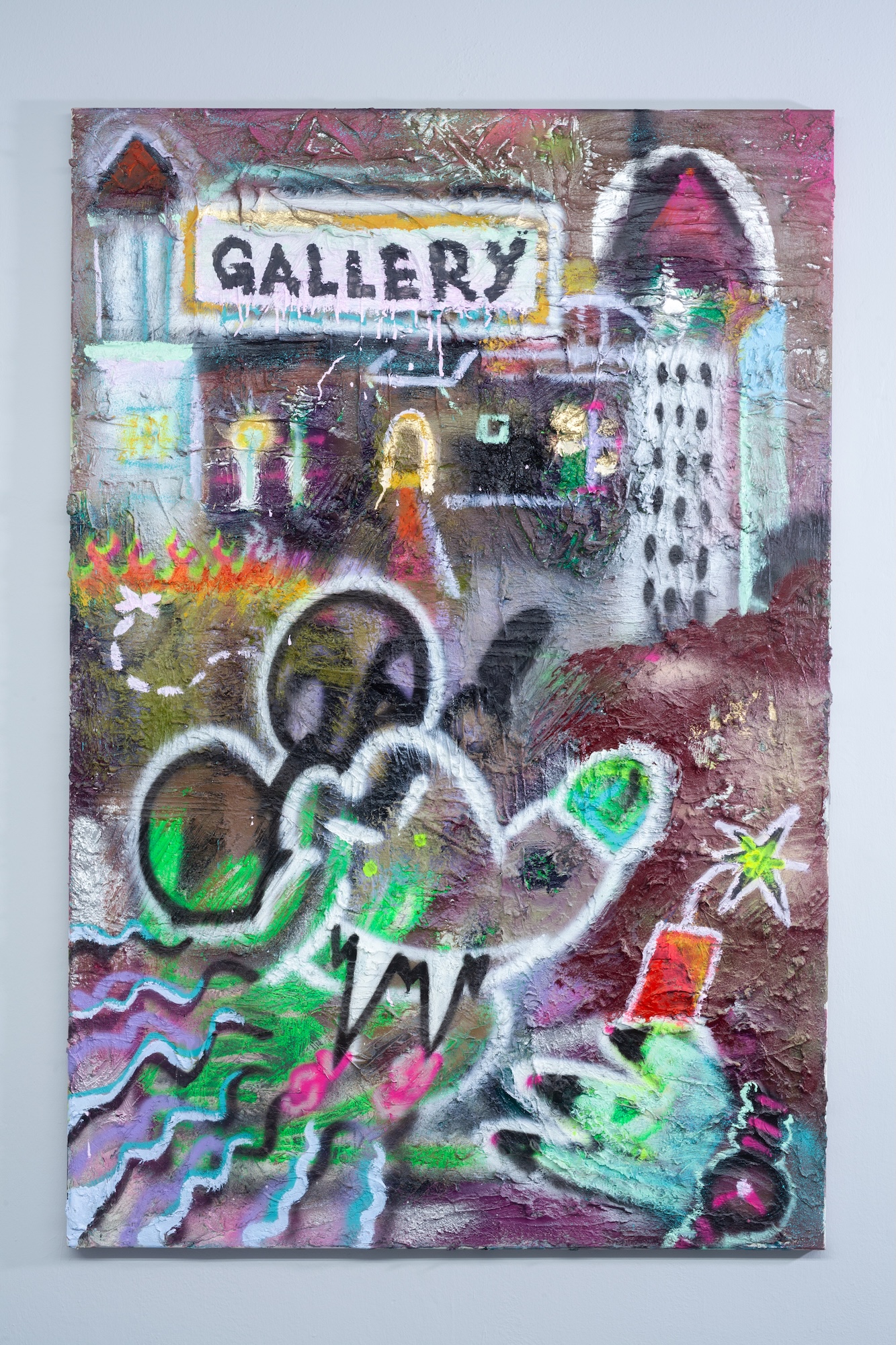
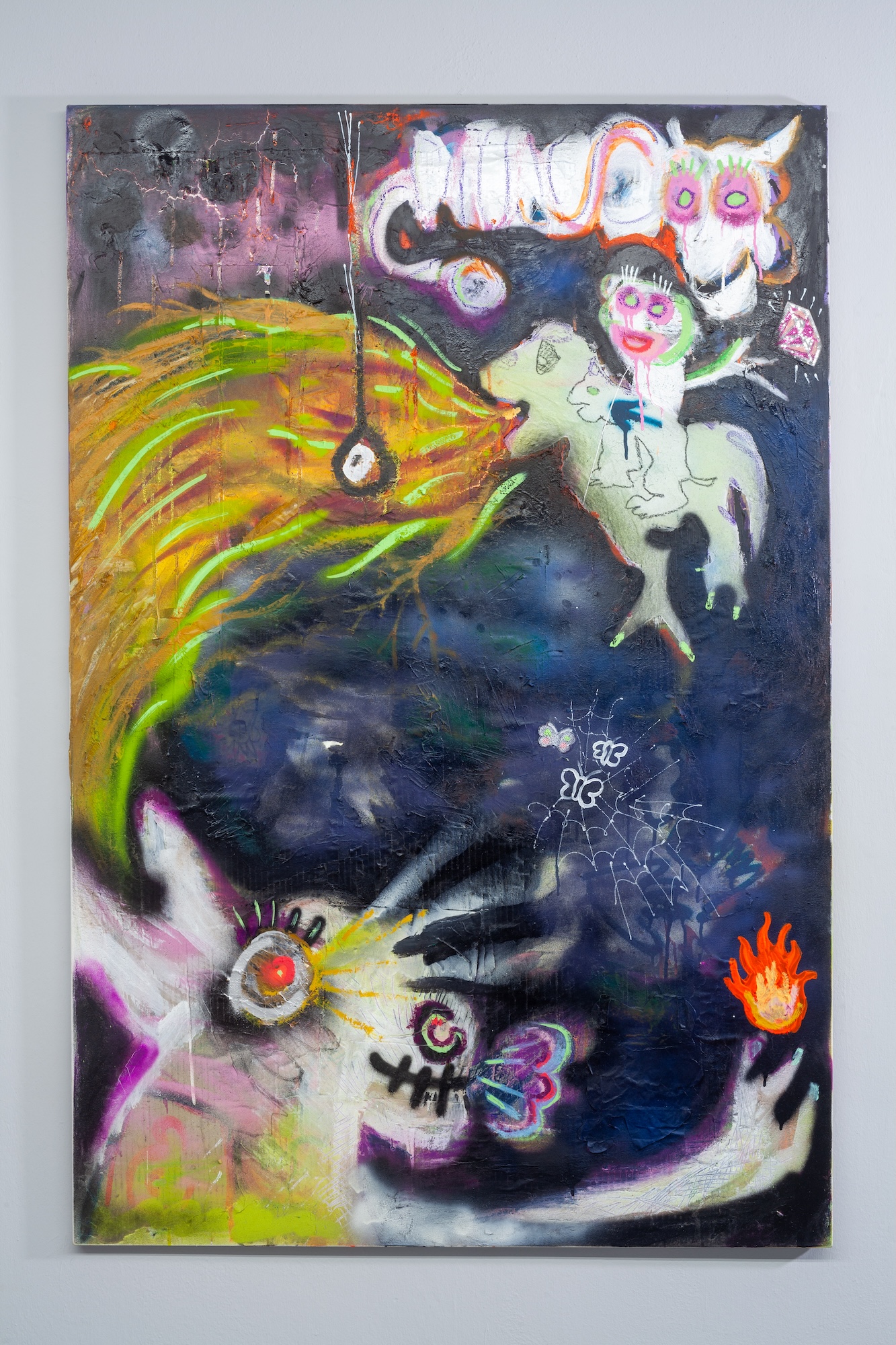
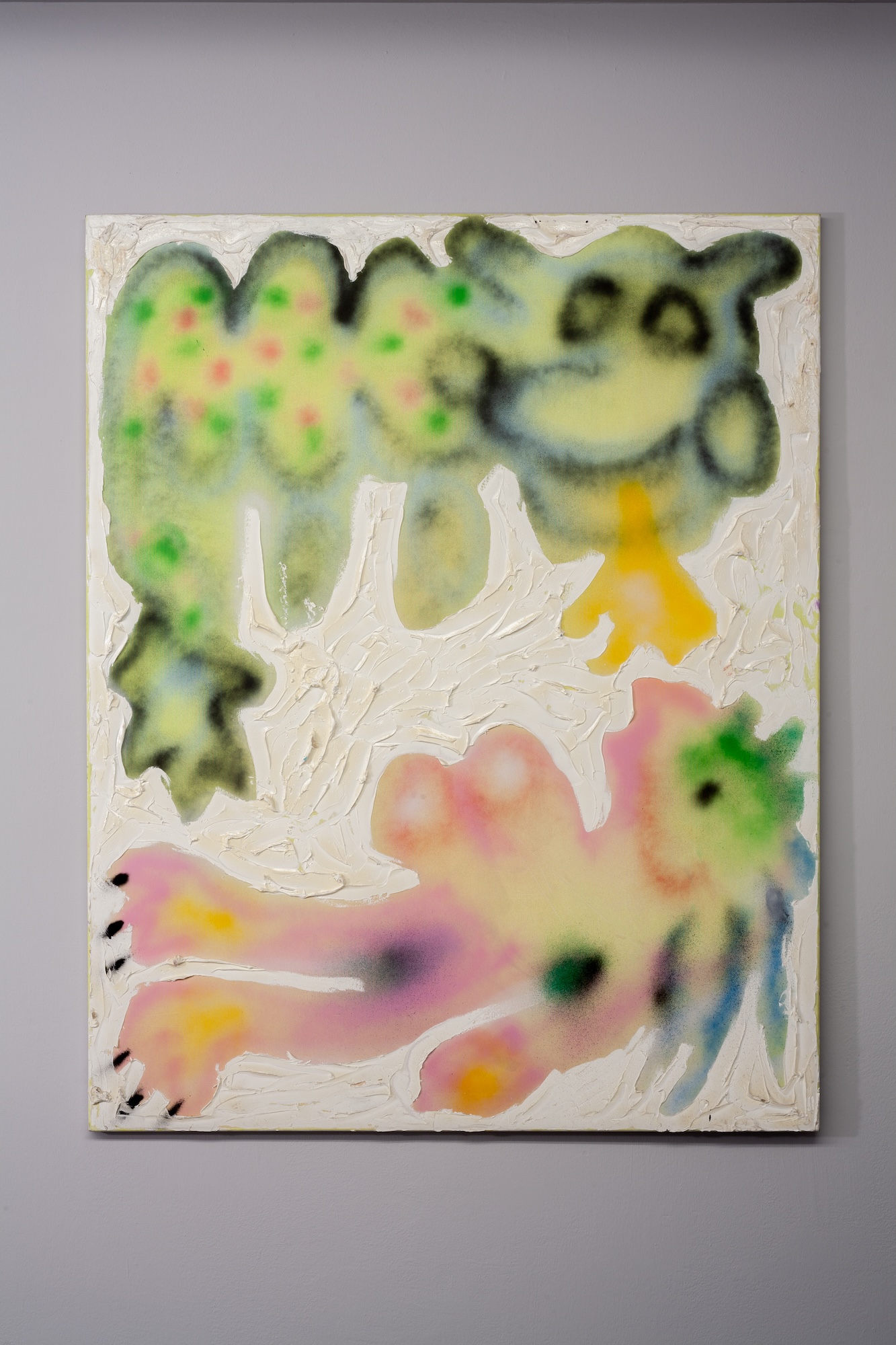
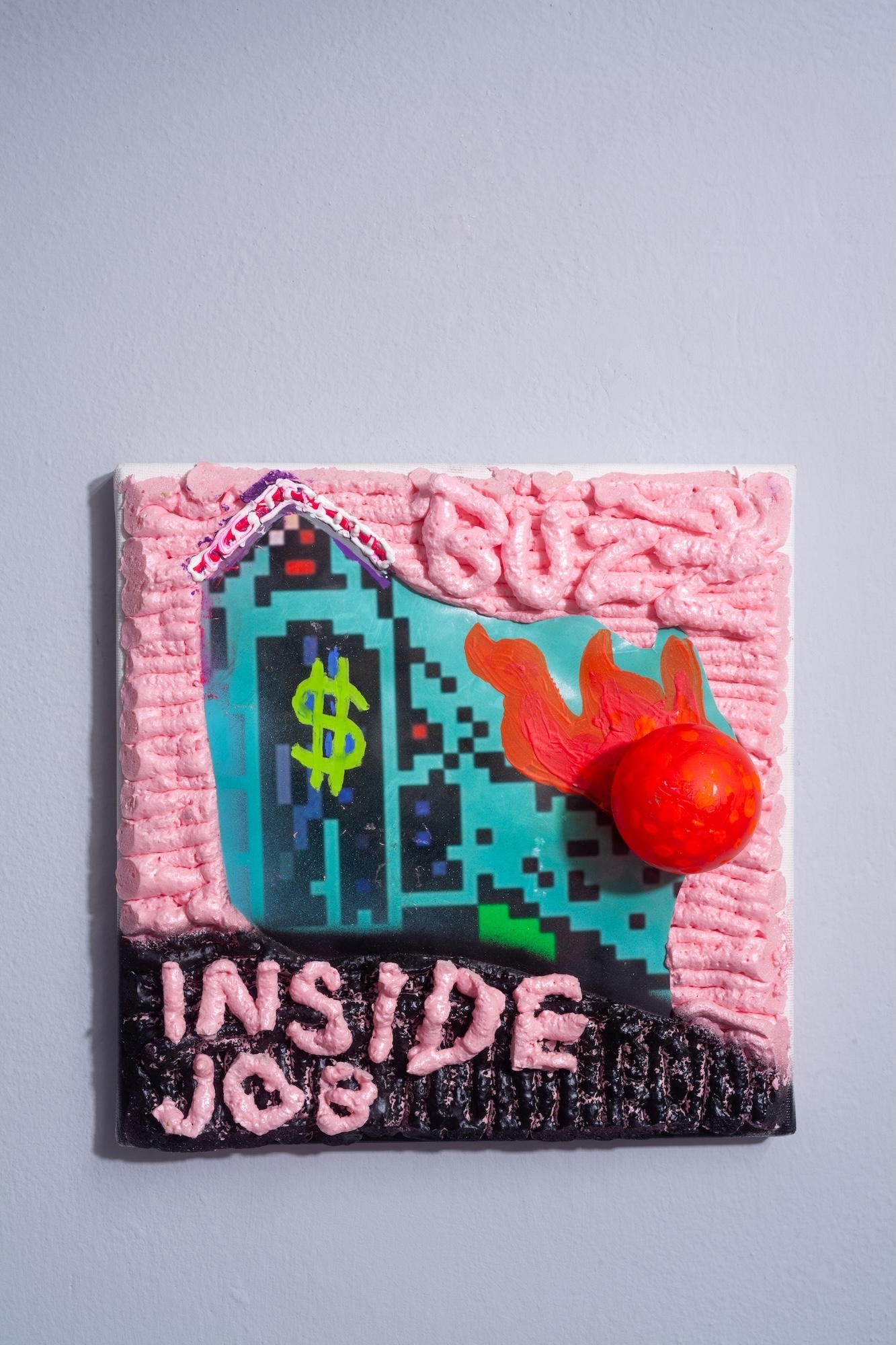
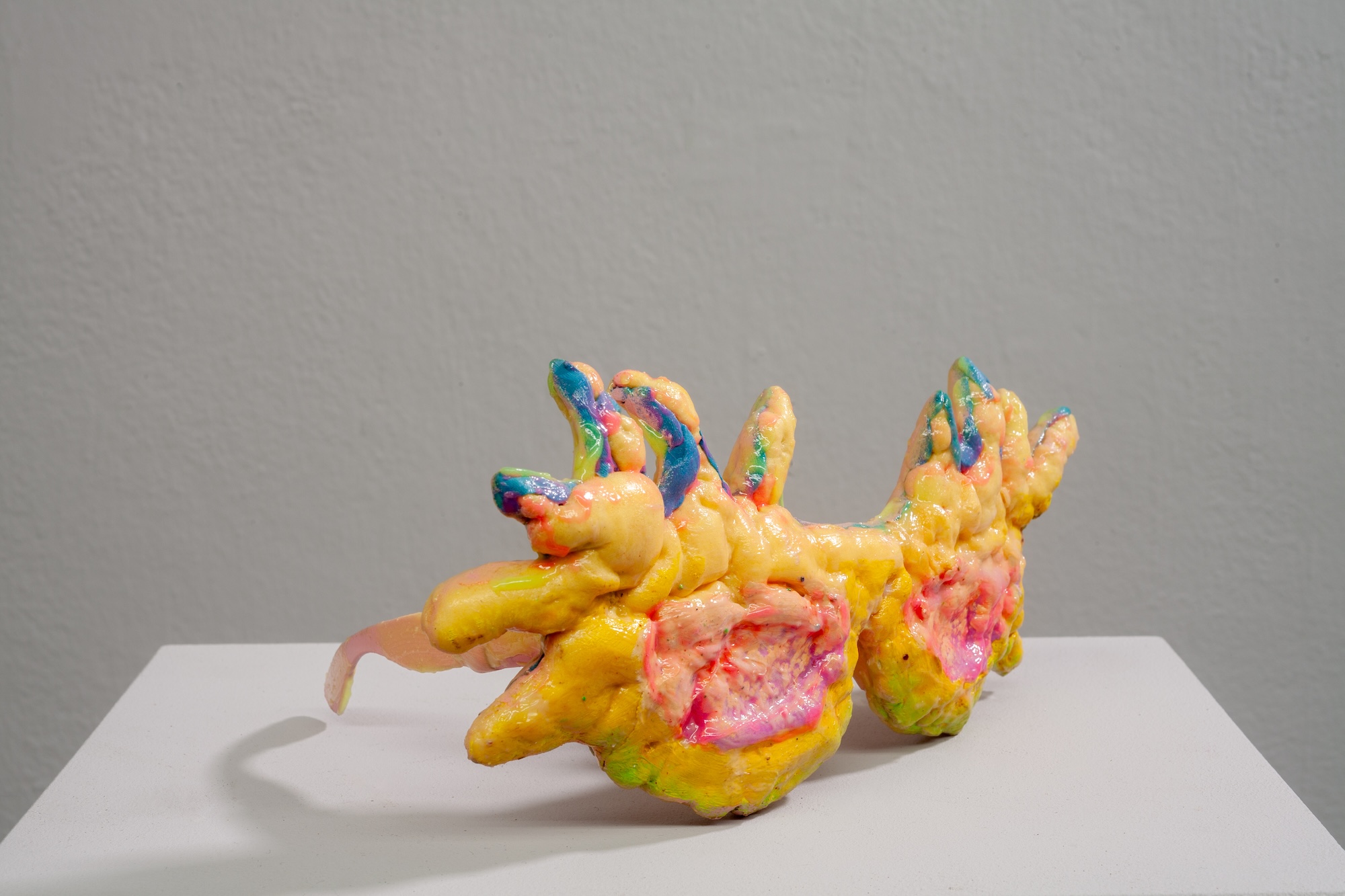
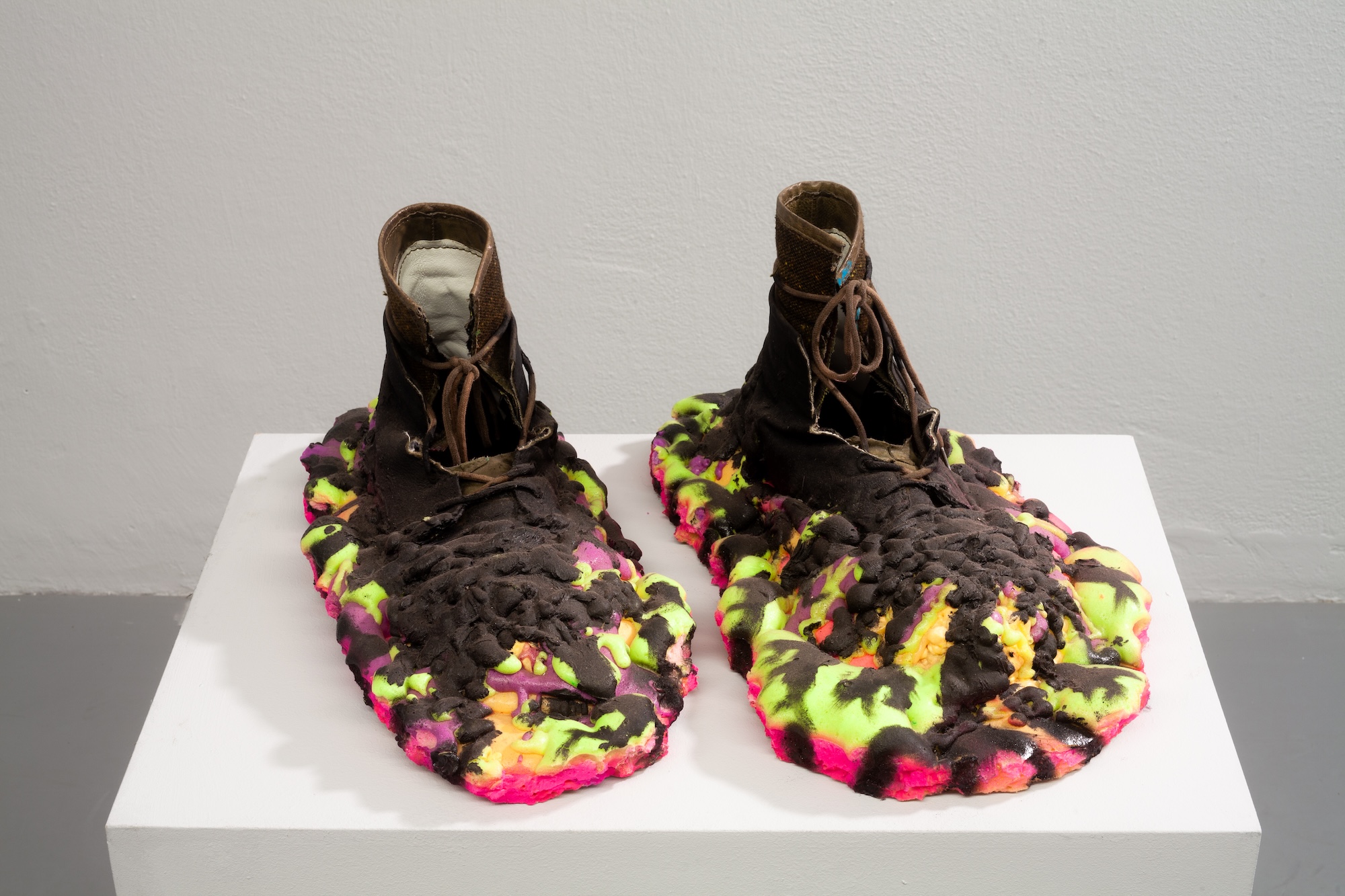
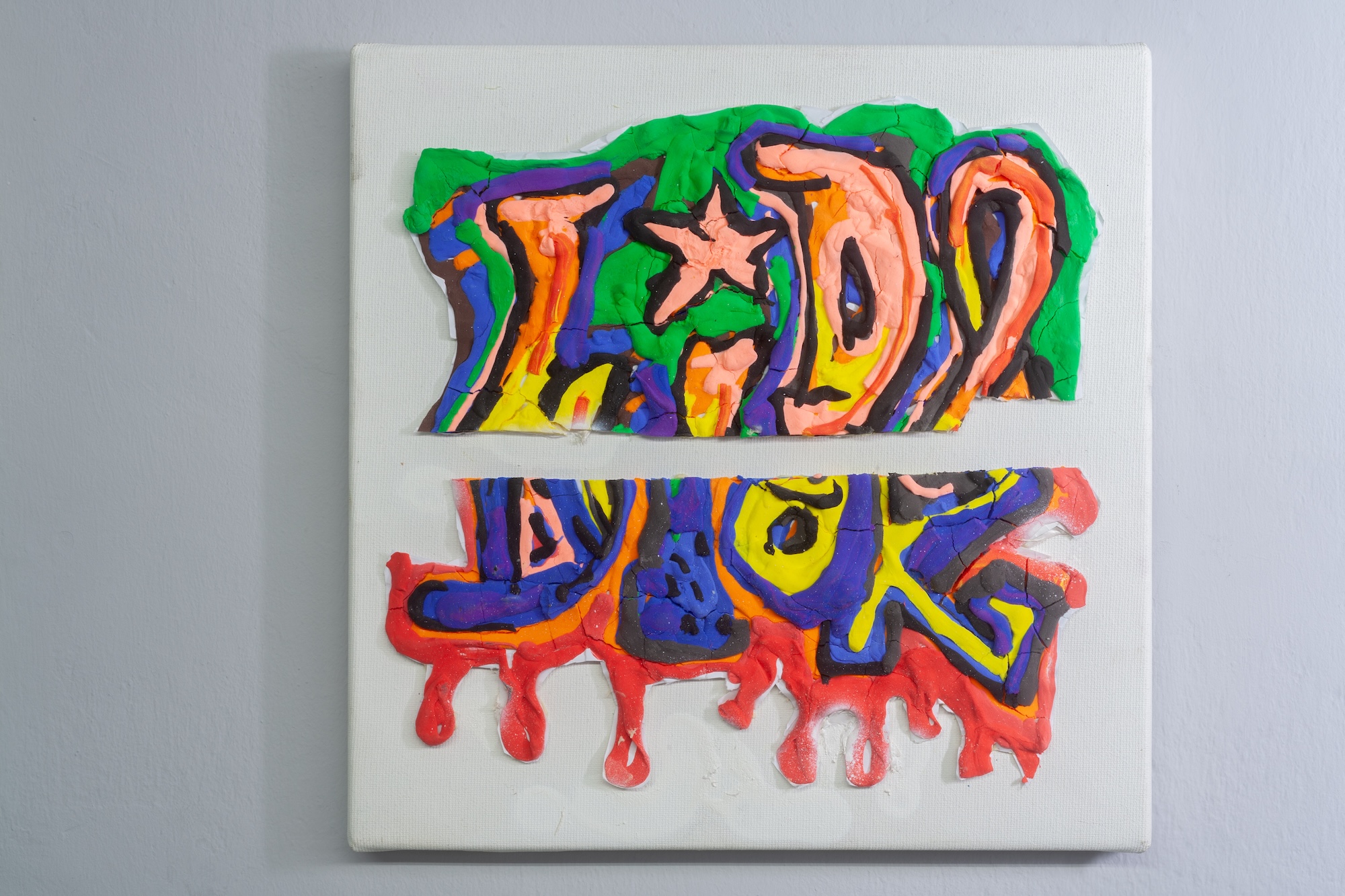
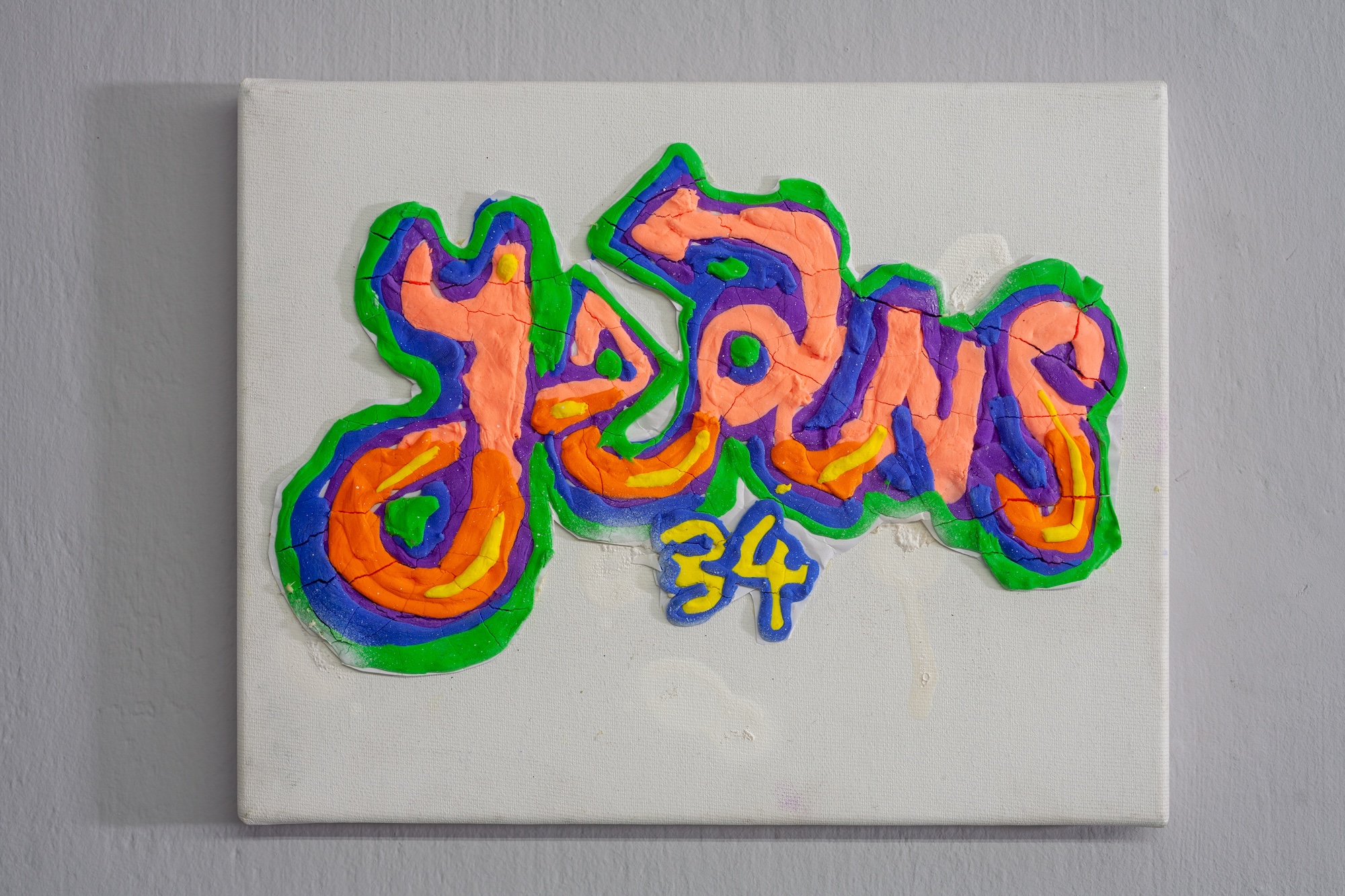
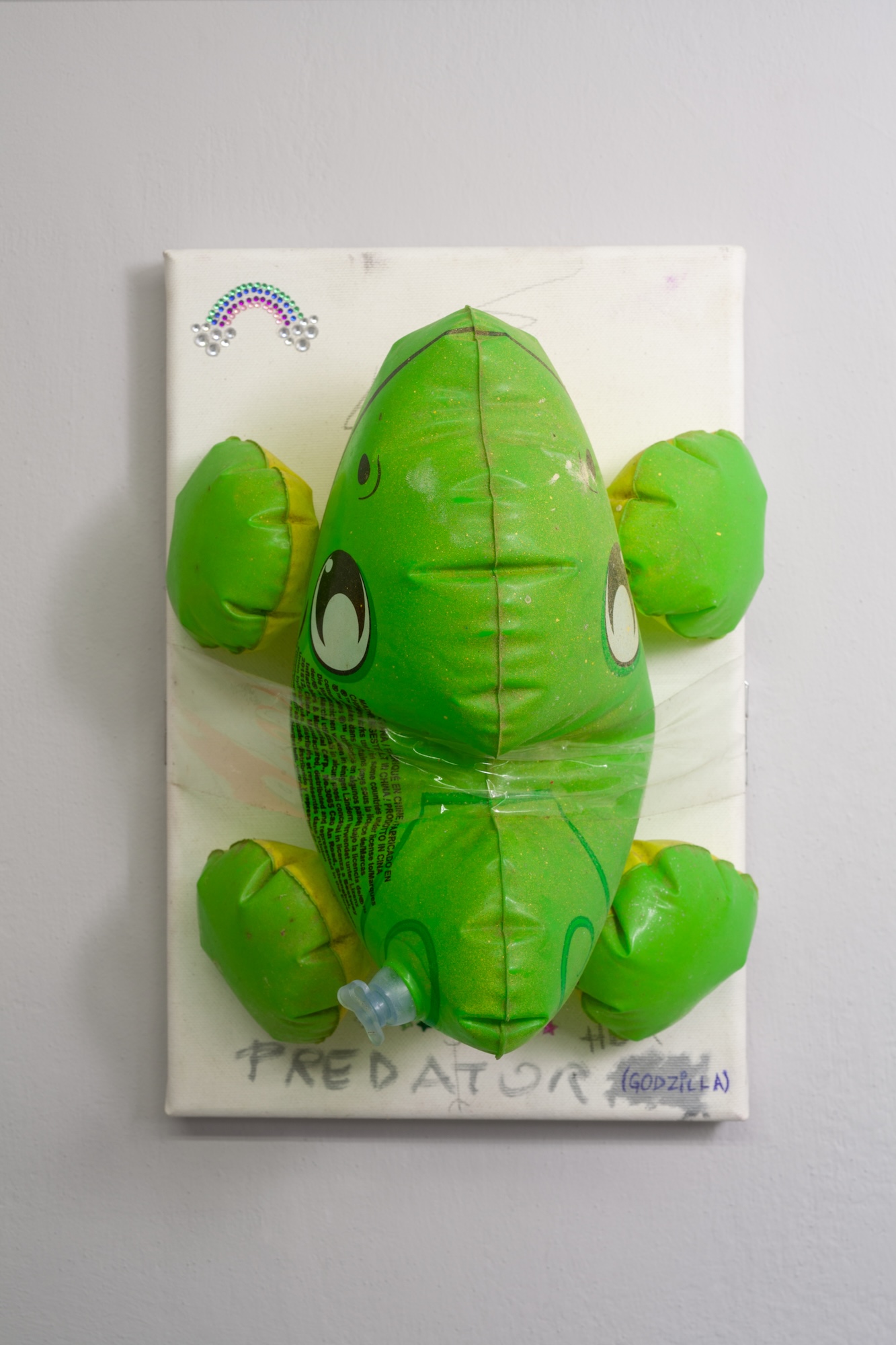
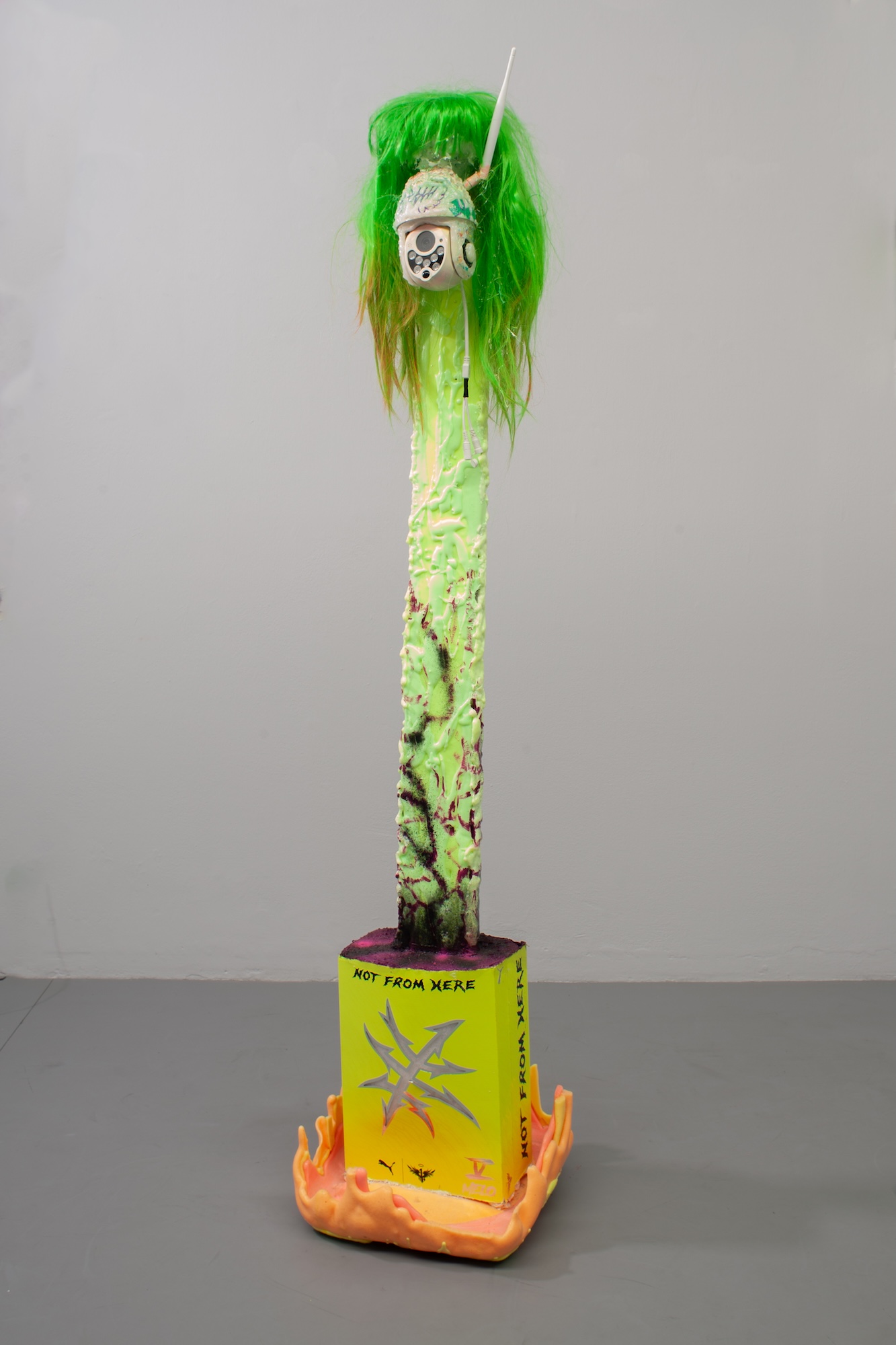
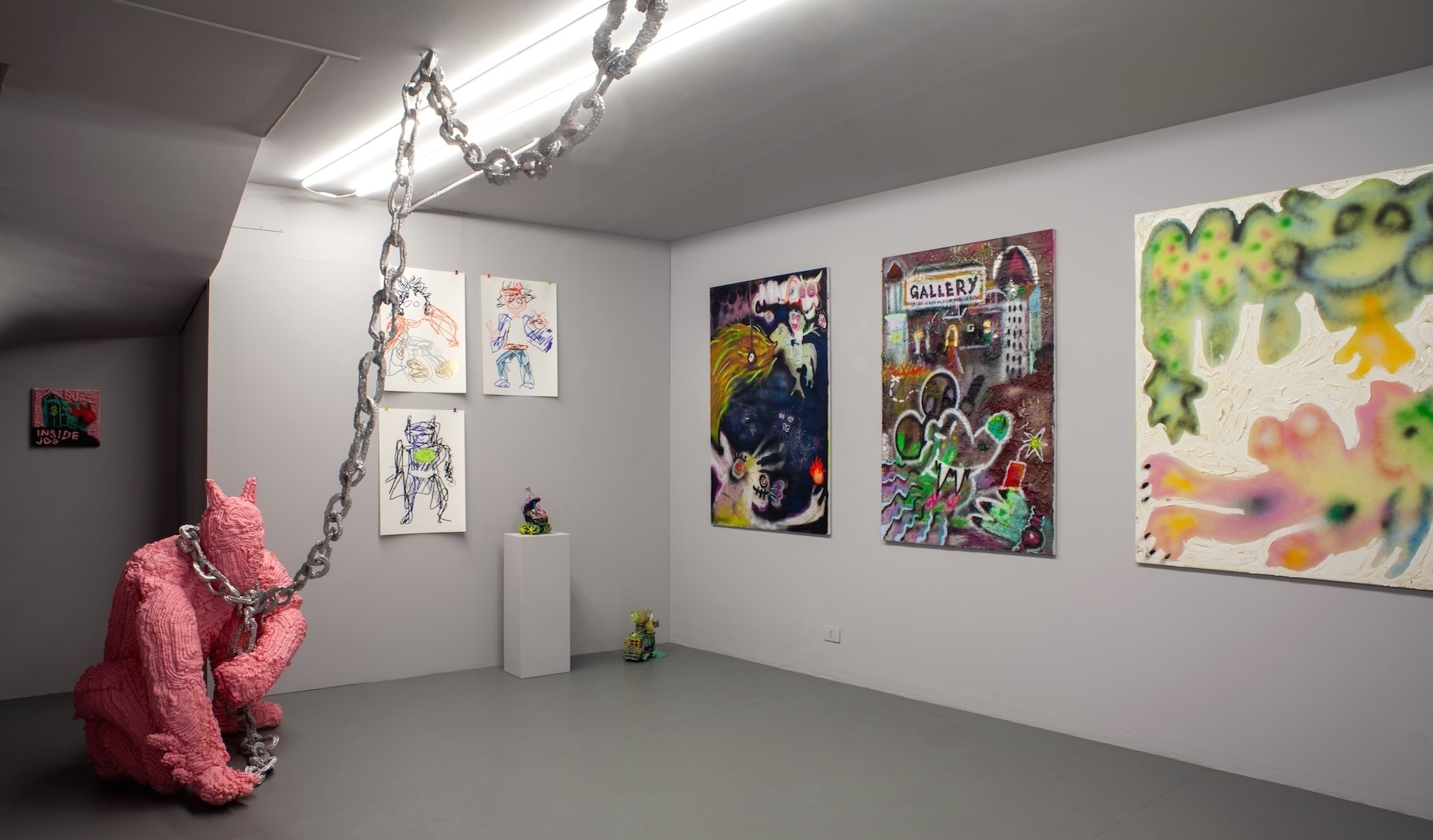
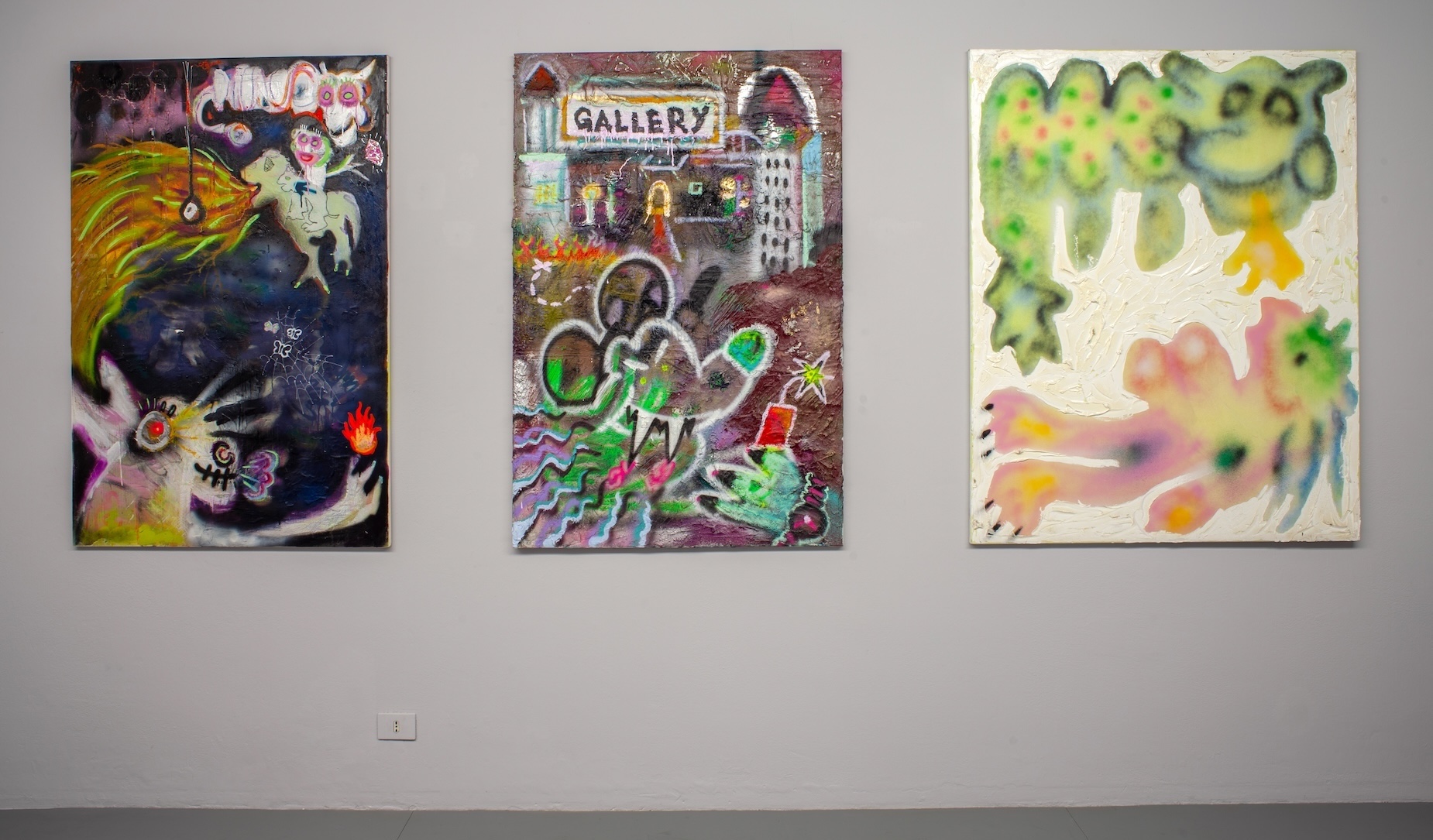
Pittura, scultura, installazione: i media si toccano, si contaminano. L’assemblaggio è la grammatica primaria, plastiche, metallo, superfici pittoriche, elementi trovati, materiali poveri e industriali composti in equilibri precari e al tempo stesso necessari. Il quadro si fa oggetto, l’oggetto si fa segno, il segno si fa ambiente. Nulla resta al proprio posto: l’opera non rappresenta, ma reindirizza flussi, rallenta automatismi percettivi, sospende l’immediatezza della lettura. È in questa sospensione che si genera la frizione fertile tra immagine e desiderio.
“Disinnescare le immagini” è il ponte tra il reset e l’etica del re-desire: il gesto che, dentro il suo caos affettivo permette a Miha Majes di orchestrare disallineamenti tra colore, materiale, scala, ritmo, attrito per far emergere affetti non-gerarchici rendendo praticabile un desiderio capace di relazione, non di possesso. Mija Majes lavora all’interno di una turbolenza che possiamo chiamare caos affettivo e che non è rumore decorativo ma un campo di intensità in concorrenza. Anziché anestetizzare o sfruttare gli affetti, si pratica una “cura del disordine” che accetta ambivalenze (attrazione/repulsione, gioia/ansia) senza ridurle a storytelling. Nello stesso tempo il caos produce tempi asincroni; la fruizione richiede micro-decisioni che sono già atti desideranti.
A questo punto possiamo azzardare una sorta di ciclo completo della modalità operativa proposta da Mija Majes: Hard Reset, disinnesco, caos affettivo, RE-DESIRE.
RE-DESIRE, dunque, come pratica e come etica. In filigrana scorrono tre cartografie del desiderio: la potenza affermativa di Spinoza, dove desiderare significa aumentare la capacità di esistere; la macchina desiderante di Deleuze, che connette e produce al di là delle identità fisse; e l’orizzonte critico evocato da Mark Fisher, in cui il desiderio deve sottrarsi al circuito post-capitalista della cattura e del riciclo infinito. I lavori esposti non illustrano questi pensieri: li mettono in prova. Assemblando frammenti eterogenei, forzano accoppiamenti inediti, aprono varchi di senso dove l’immagine non è più schermo ma interfaccia generativa.
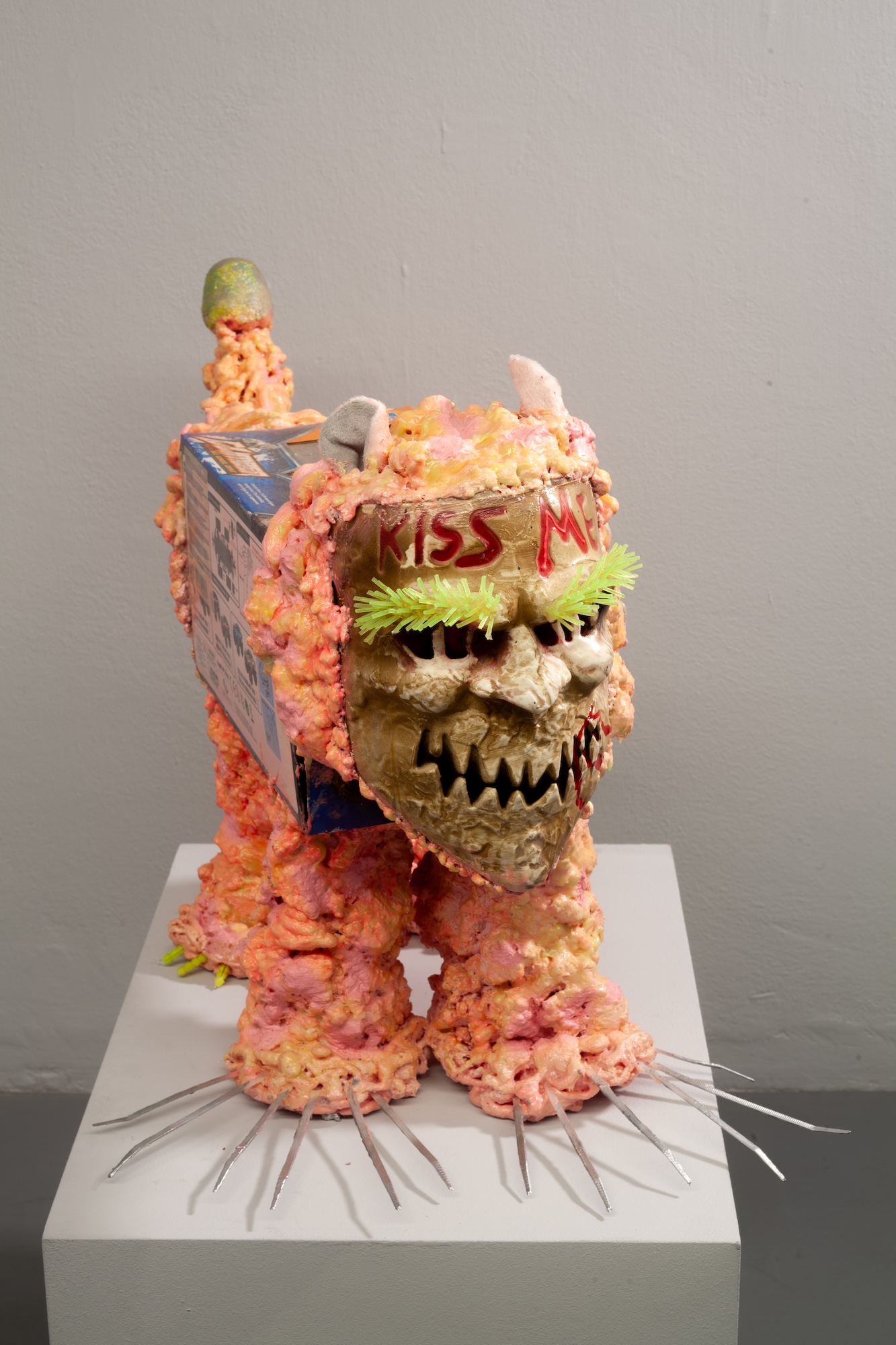
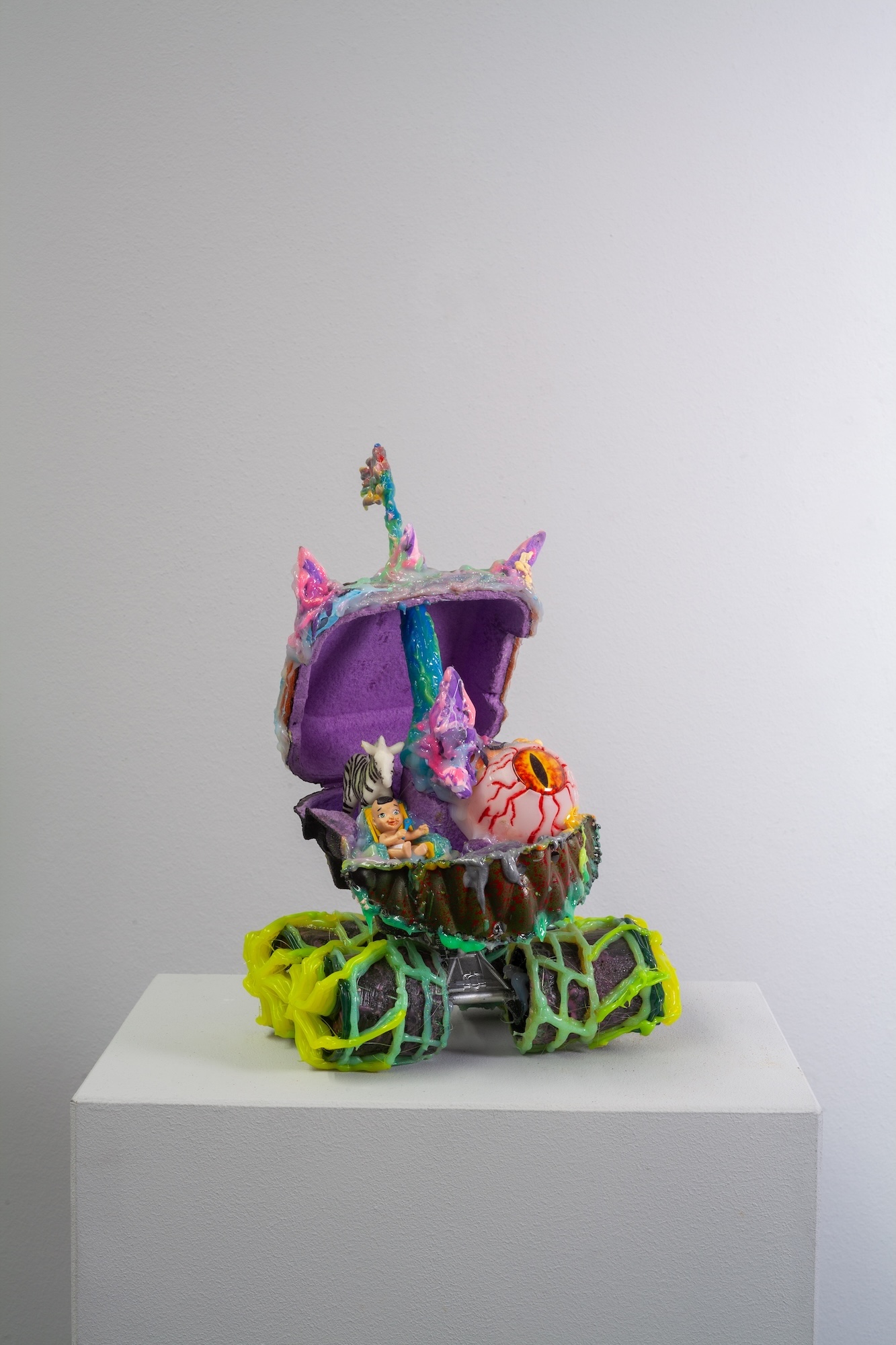
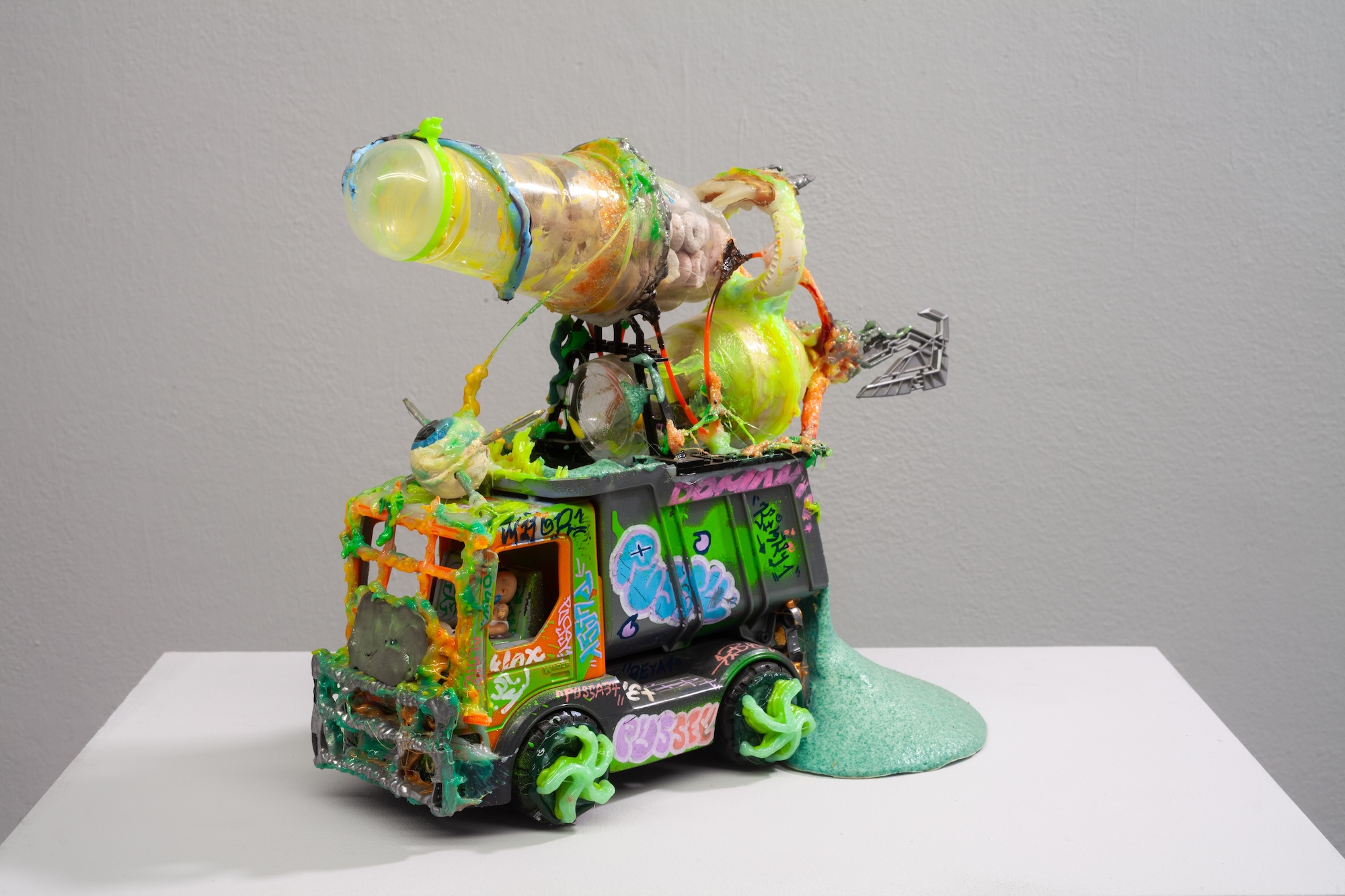
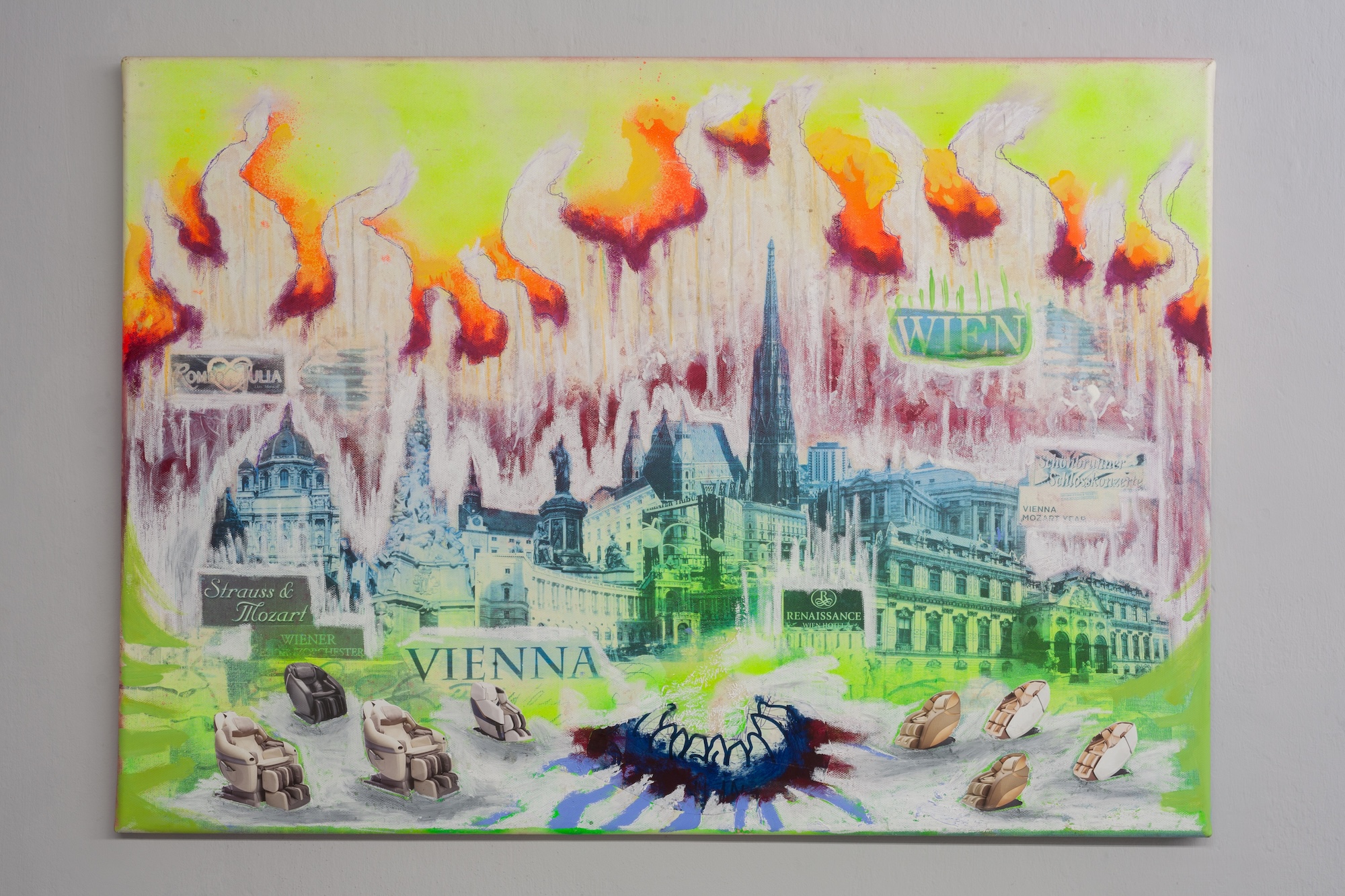
“Hard Reset” nomina questa operazione: un riavvio a freddo dell’apparato visivo e affettivo. Non un ritorno all’origine, ma una ripartenza senza cache, capace di interrompere la catena delle abitudini. Nei pannelli pittorici, la superficie si incrina: stratificazioni, materiali differenti, velature interrotte funzionano come glitch che rivelano il sistema. Nelle sculture/oggetti, la forma nasce dall’innesto, dalla giustapposizione che rifiuta la finitezza levigata del prodotto: sono corpi senza organi composti per intensità, più che per somiglianza. Lo spazio della mostra è un circuito aperto: i materiali risuonano con il passaggio del pubblico, con gli intervalli tra l’altro, perché anche il vuoto, qui, è una soglia attiva. Le opere sono macchine desideranti: connettono ciò che non era destinato a toccarsi, ridistribuiscono intensità, aprono superfici d’uso non previste. Il desiderio, disinnescata l’immagine-spettacolo, riappare come pratica di orientamento. Non “volere questo oggetto”, ma “imparare a desiderare altrimenti”. L’assemblaggio diventa allora un metodo politico e sensibile: ricusare i nessi preconfezionati, costruire concatenamenti imprevisti, restituire agency alle cose e ai gesti minori.
In ogni lavoro in mostra vibra una domanda: quali relazioni sono possibili se rifiutiamo l’economia dell’attenzione come destino? Quale gioia, nel senso spinoziano di incremento di potenza, può nascere dal contatto con ciò che sfugge alla cattura? “Hard Reset” non promette redenzioni, ma esercizi di libertà. Ogni pezzo è un banco di prova: riavviare, riconfigurare, riscrivere la mappa dei nostri legami con le immagini e con i materiali del presente. Nella risonanza tra pittura e oggetto, tra scarto e icona, tra attrito e cura, affiora una politica del sensibile in cui il desiderio non è più merce, né mancanza da colmare, ma forza compositiva. RE-DESIRE è questo atto: ricominciare a desiderare come se fosse la prima volta, ma con tutta l’esperienza dei tentativi precedenti ancora nelle mani.
“Hard Reset sospende gli automatismi. Disinnescare le immagini apre una latenza in cui il caos affettivo può essere abitato senza ricadere nel già visto. Qui RE-DESIRE, come tessitura etica del desiderio, fa tre mosse: aumenta potenza (Spinoza), concatena intensità oltre l’identità (Deleuze/Guattari), resiste alla cattura e riapre il possibile (Fisher). Ogni opera registra questa manutenzione del sensibile: riavviare, tenere aperto, desiderare altrimenti.”
In sintesi: “Hard Reset” è l’atto che libera il campo dagli automatismi dell’immagine; “RE-DESIRE” è la competenza pratica ed etica che reinscrive connessioni capaci di aumentare potenza, generare concatenamenti e resistere alla cattura. Insieme costituiscono un ciclo di manutenzione del sensibile: riavviare per riprendere a desiderare, e desiderare per non dover tornare prigionieri del vecchio software.
Stefano Monti
SMDOT/Contemporary Art is delighted to present “HARD RESET” the first Italian solo exhibition by Miha Majes, an emerging artist from Slovenia.
A notable intent runs through the selected works and his entire practice: disarming the image. Not destroying it, not negating it, but opening it up as you might a device, revealing the exposed wires, the possible short circuits, the space where the eye can stop consuming and start to desire again.
Through this approach, each work functions as a station of Re-Desire: an invitation to reprogram our relationship with forms, with objects, with what remains of a world that requires us to always want in the same way.
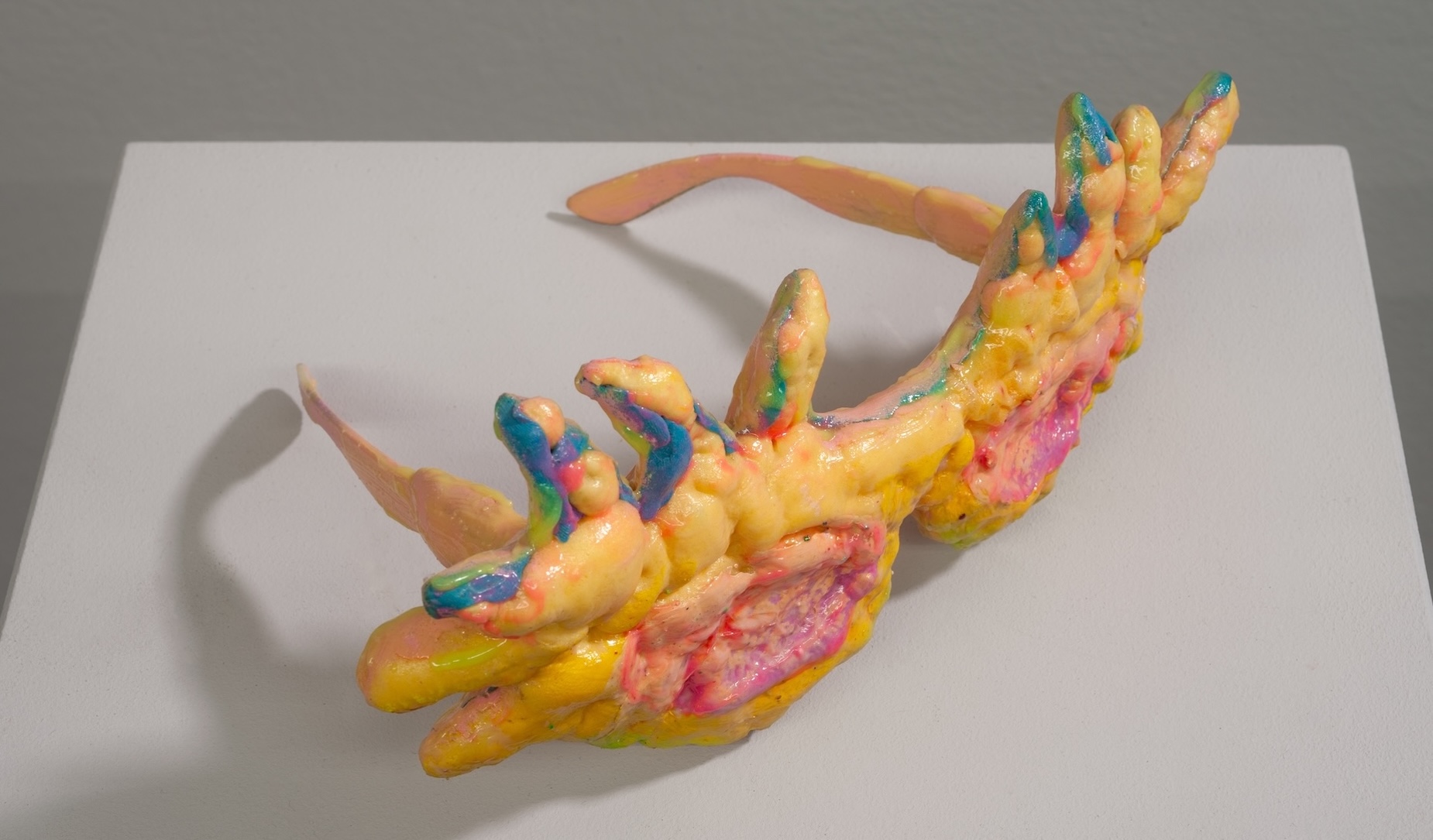
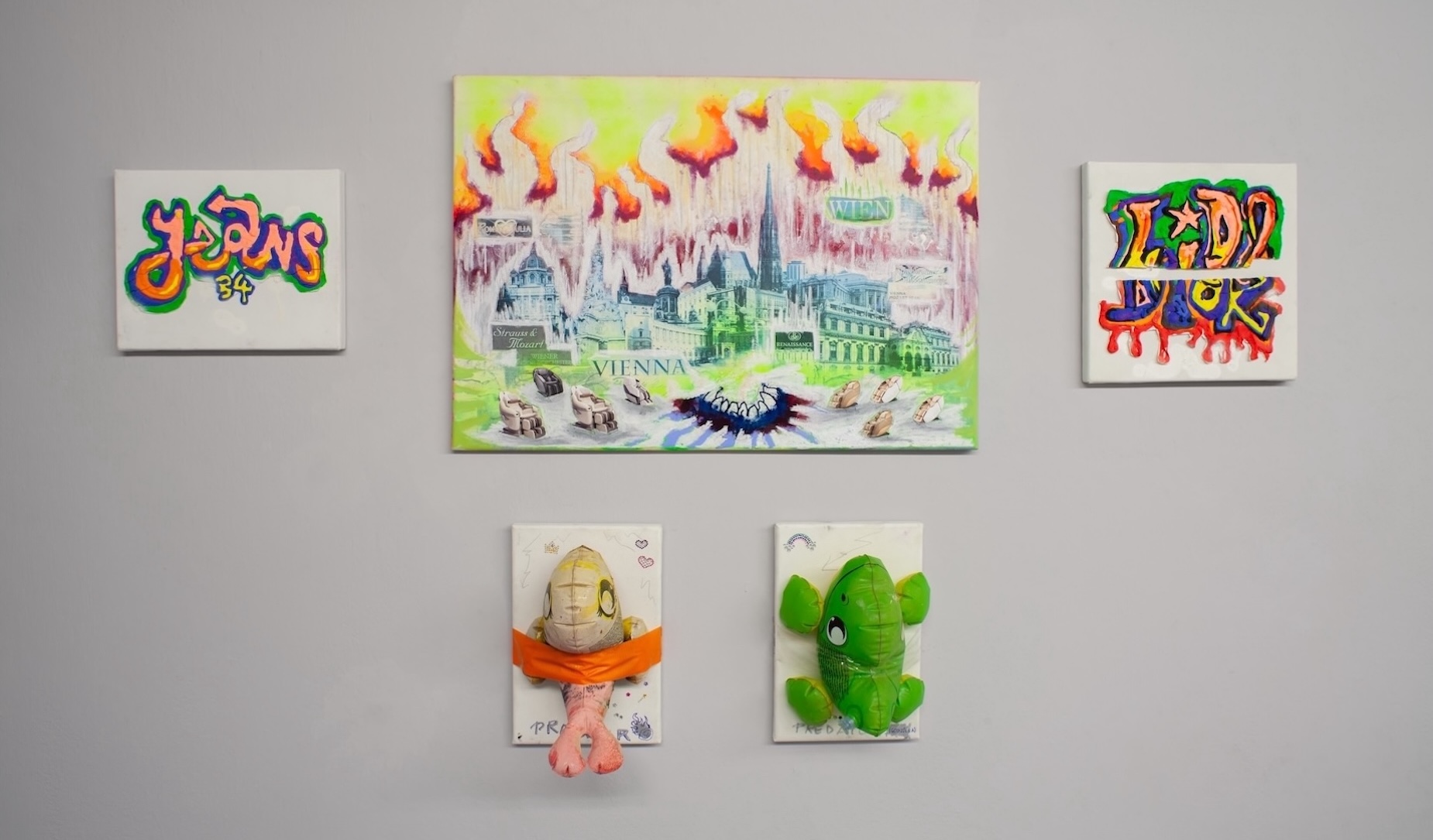
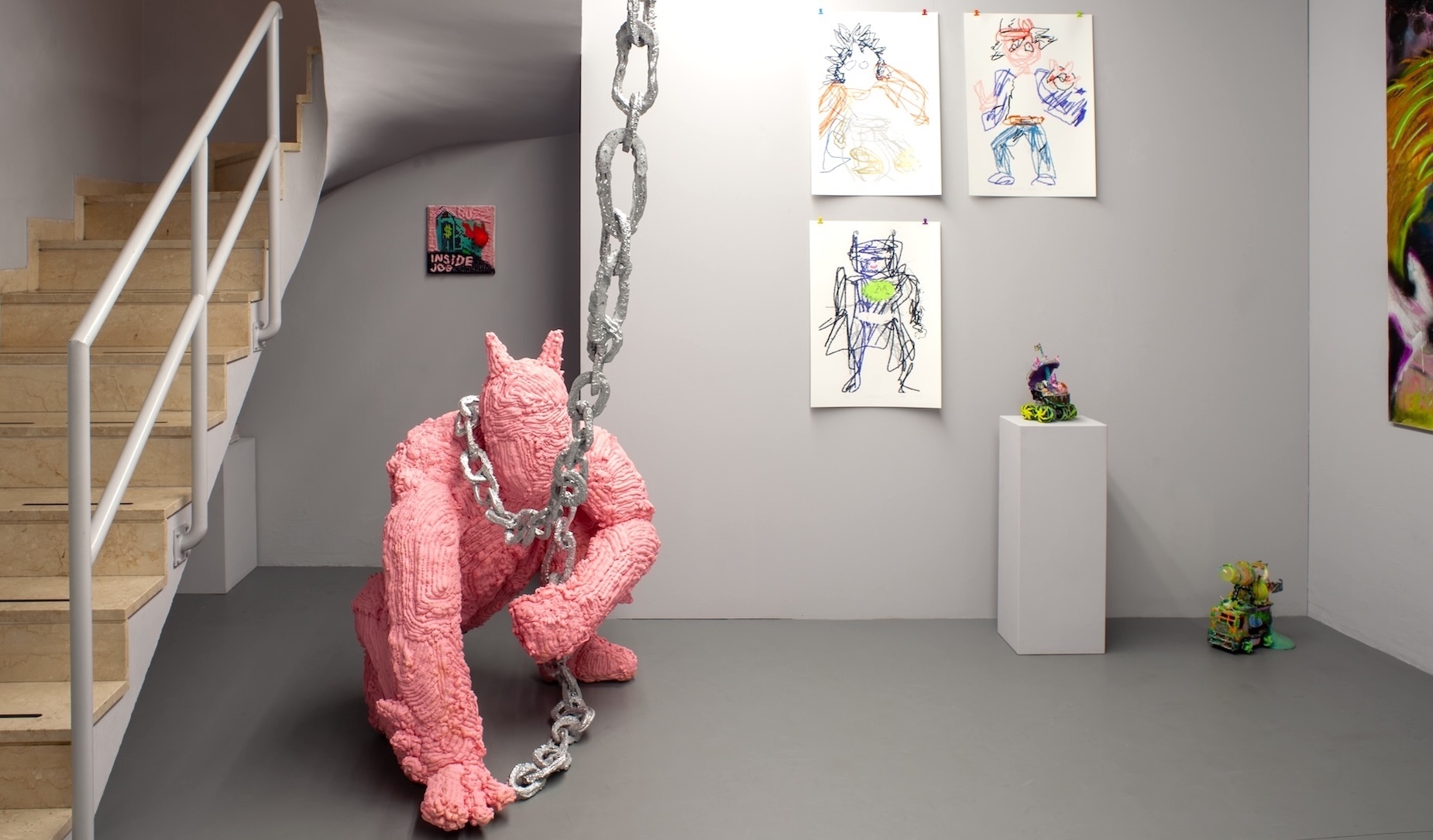
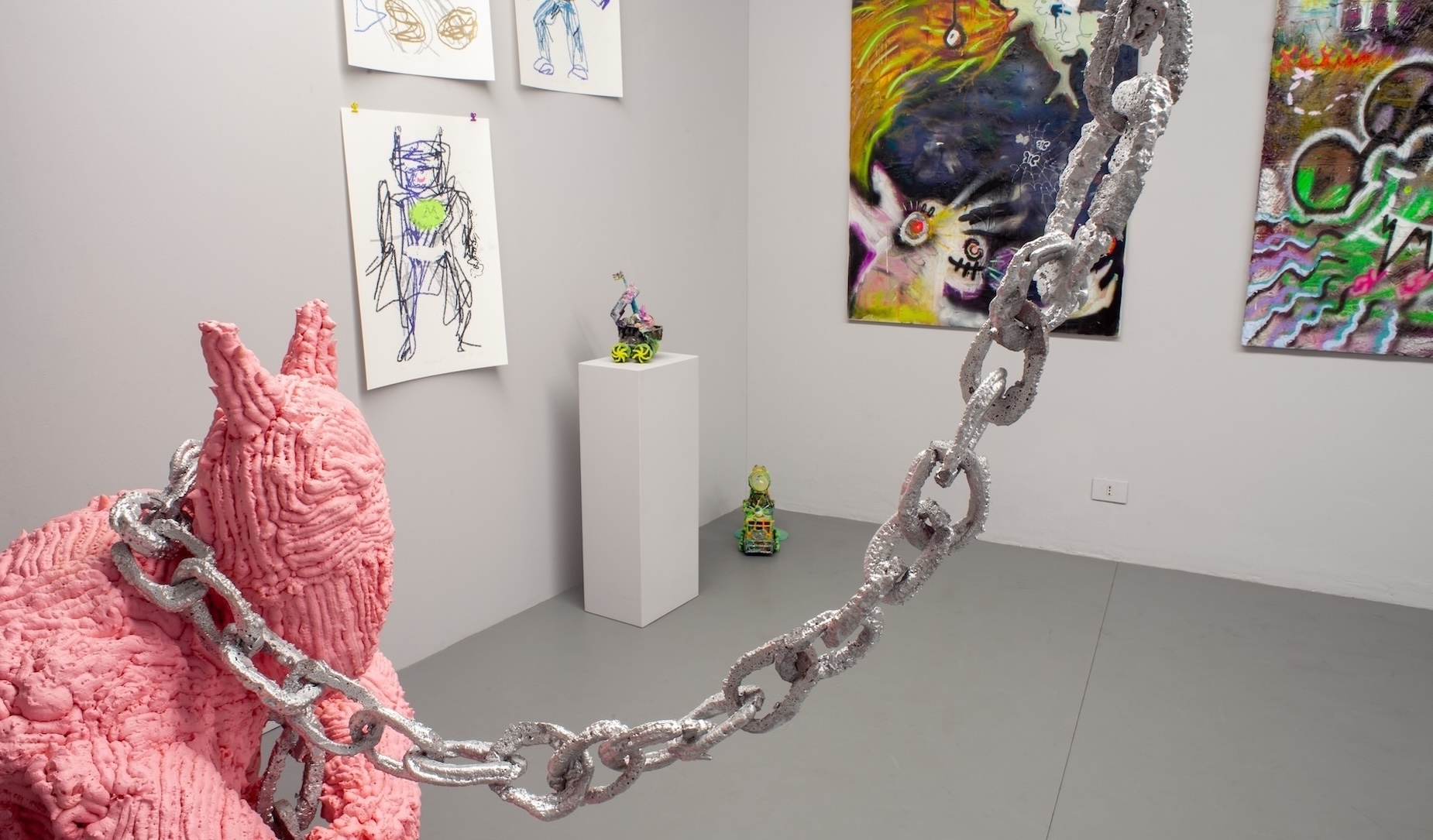
Painting, sculpture, installation: the media are contiguous, they permeate and affect each other. Assembly is the primary grammar: plastics, metal, painterly surfaces, found objects, poor and industrial materials are all brought together in precarious and necessary equilibriums. Paintings become objects, objects become signs, and signs become the environment. Nothing stays in its place: the artwork doesn’t represent, it redirects flows, slows down perceptual automatisms, and suspends the immediacy of reading. It is in this suspension that the fertile friction between image and desire is born.
“Disarming images” is the bridge between a reset and the ethics of re-desire: within its emotional chaos, it is a gesture that allows Miha Majes to orchestrate misalignments between colour, material, scale, rhythm, and friction to bring out non-hierarchical affections, making a desire that is capable of relationship, not possession viable. Mija Majes works within a turbulence that we can call emotional chaos, which is not decorative noise, but rather a field of competing intensities. Instead of anesthetising or exploiting affections, it employs a disorder-based treatment that accepts ambivalences (attraction/repulsion, joy/anxiety) without reducing them to storytelling. Furthermore, chaos produces asynchronous times; fruition requires micro-decisions that are in themselves desirable acts.
At this point we can venture a sort of complete cycle of Mija Majes’ operating mode: Hard Reset, Disarm, Affective Chaos, Re-Desire.
Re-Desire therefore becomes both a practice and a form of ethics. Three cartographies of desire can be identified beneath the surface: Spinoza’s affirmative power, where desire means increasing the capacity to exist; Deleuze’s desiring machine, connecting and producing beyond fixed identities; and Mark Fisher’s critical thought, in which desire must escape the post-capitalist circuit of infinite capture and recycling. The works in the exhibition do not illustrate these thoughts: they put them to the test. By assembling heterogeneous fragments, they force novel associations, opening pathways of meaning, where the image is no longer a screen but a generative interface.
“Hard Reset” is the definition of this operation: a hard reset of the visual and affective apparatus. Not a return to the origins, but a kind of restarting without cache, interrupting the cycle of habits. The surface of the painterly panels cracks. Stratifications, different materials, and interrupted glazes function as glitches that reveal the system. In the sculptures/objects, the shape comes from grafting, with the juxtaposition rejecting a polished finish for the product: they are bodies without organs brought together by intensity, rather than by similarity. The exhibition space is an open circuit: the materials resonate with the passage of the viewers and with the intervals between one element and the next, because even an empty space here is an active threshold.
The works are desiring machines: they connect that which was not intended to touch, redistribute intensity, and open unforeseen surfaces for use. Desire, once the image-spectacle has been disarmed, returns as a practice of orientation. Not “wanting this object”, but “learning to want something else”. Assemblage thus becomes a political and sensorial practice: rejecting mainstream connections, building unexpected links, returning agency to things and minor gestures.
Each work on display raises a question: what relationships might be possible if we reject the idea of the economy of attention as something preordained? What joy, in the Spinozian sense of increased potency, can arise from contact with that which escapes capture?
“Hard Reset” does not promise redemption, but the practice of freedom. Each piece is a test-bed: restarting, reconfiguring, and rewriting the map of our links with the images and materials of the present. In the resonance between painting and object, between waste and icon, between friction and care, a politics of that which can be perceived emerges, where desire is no longer a commodity, nor a gap to be filled, but rather a compositional force. RE-DESIRE is this act: to start desiring again, as if it were the first time, but with all the experience of previous attempts still at hand.
“Hard Reset suspends our automatisms. Disarming the images opens a latency in which emotional chaos can be inhabited without falling back on what has already been seen. Here Re-Desire, as an ethical weaving of desire, triggers three moves: it increases power (Spinoza), concatenates intensity beyond identity (Deleuze/Guattari), resists capture, and opens up to new possibilities (Fisher). Each work records the maintenance of that which can be perceived: restart, keep open, wish otherwise.”
In brief: “hard reset” is the act that frees the field from the automatisms of the image; “RE-DESIRE” is the practical and ethical skill that rewritesconnections that can increase power, generating chains and resisting capture. Together they constitute a maintenance process for that which can be perceived: restart to resume desiring, and desiring so as not to have to become prisoners of the old software.
Stefano Monti